

Bicycle Accident Chiropractor
Bicycle Accident Chiropractor Winter Park: Comprehensive Care for Cycling-Related Injuries
Bicycling offers an excellent way to stay active, commute efficiently, and enjoy the outdoors. However, accidents involving motor vehicles, hazardous road conditions, sudden obstacles, or unexpected falls can result in injuries that disrupt your daily routine. Even a seemingly minor cycling accident can lead to neck pain, back discomfort, muscle strains, joint stiffness, and other physical complications.
Adrenaline may temporarily mask discomfort, while inflammation and stiffness can develop hours or days after the incident. Seeking timely medical evaluation can help identify potential injuries, rule out serious complications, and determine the most appropriate course of treatment.
BOOK AN APPOINTMENT
with the Best Chiropractor in Winter Park , Florida
If you are searching for a Bicycle Accident Chiropractor Winter Park, choosing a provider who understands musculoskeletal injuries and individualized recovery needs is an important step toward restoring comfort and mobility.
Winter Park Chiropractic & Acupuncture Center provides chiropractic care and acupuncture services for individuals seeking conservative treatment options for appropriate musculoskeletal conditions. Whether you were involved in a collision with a motor vehicle, lost control of your bicycle, or fell on an uneven surface, understanding your treatment options can help you make informed decisions about your recovery.
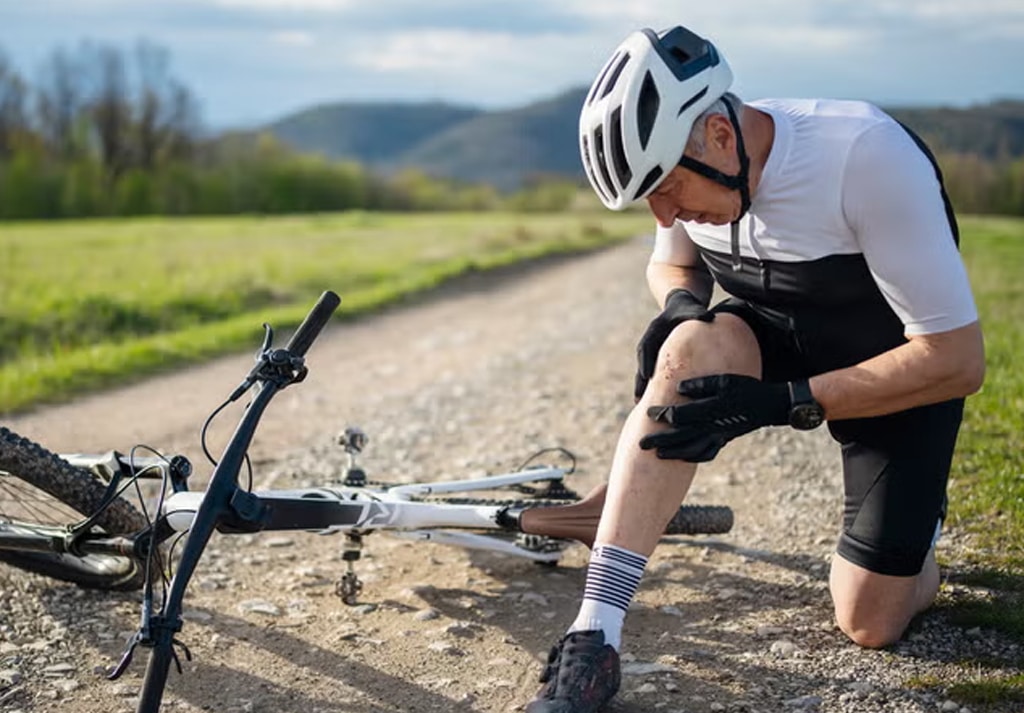
The Impact of Bicycle Accident Injuries
Bicycle accidents can expose the body to sudden impact, twisting forces, and abrupt changes in movement. Unlike occupants of enclosed vehicles, cyclists have limited physical protection during a collision, making them vulnerable to injuries involving the head, neck, spine, shoulders, hips, and extremities.
The severity of an injury depends on the speed of the collision, the direction of impact, the surface on which the cyclist lands, and whether protective equipment was used. Some injuries produce immediate symptoms, while others develop gradually. Common warning signs include:
- Persistent soreness and muscle tightness
- Restricted movement
- Swelling and tenderness
- Discomfort during everyday activities
Once significant injuries have been ruled out, an individualized treatment plan can help address appropriate symptoms and support a gradual return to normal activities.
Common Bicycle Accident Injuries That May Require Professional Care
Cycling accidents can affect several areas of the body simultaneously. Understanding the potential consequences of a collision can help injured individuals recognize when professional evaluation is necessary.
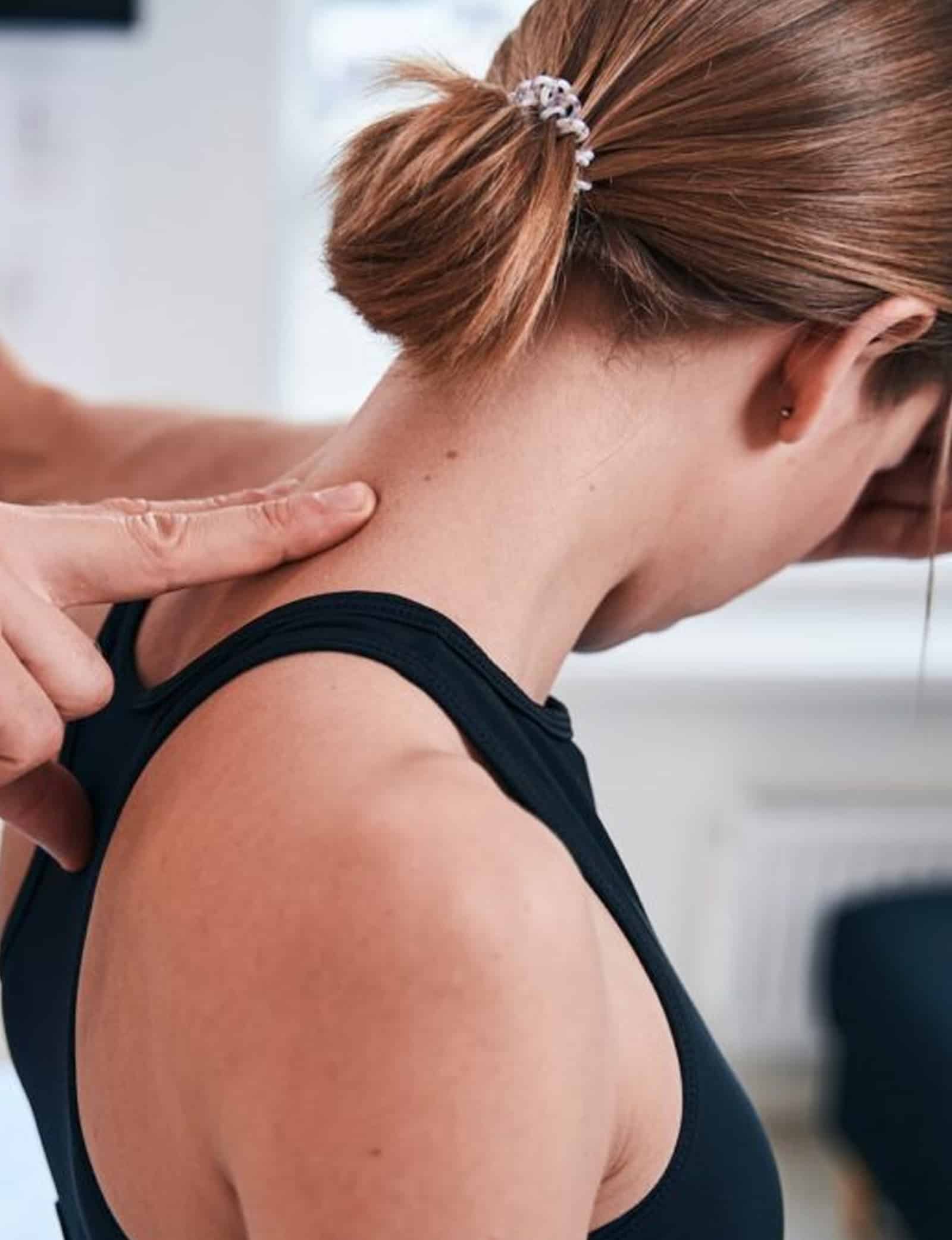
Neck, Back & Upper-Body Injuries
1. Neck Pain and Whiplash-Related Symptoms
During a sudden collision or fall, the head and neck may move abruptly, placing stress on muscles, ligaments, and other supporting tissues. Common symptoms include:
- Difficulty turning or tilting the head
- Tightness across the neck and upper shoulders
- Muscle soreness or spasms
- Headaches that begin after the accident
2. Back Pain and Spinal Discomfort
An awkward landing, unexpected twisting movement, or direct impact may contribute to discomfort in the upper, middle, or lower back. Cyclists may experience pain when bending, lifting objects, standing for extended periods, or moving between sitting and standing.
3. Shoulder, Wrist, and Arm Injuries
Many cyclists instinctively extend their arms to protect themselves during a fall, transferring substantial force to the shoulders, elbows, wrists, and hands. These injuries can make dressing, carrying groceries, and job-related tasks difficult.
Lower-Body and Soft-Tissue Injuries
4. Hip, Pelvic, and Lower-Body Injuries
A direct impact to the hip or pelvis, twisting movements, and awkward landings can cause tenderness, stiffness, discomfort while walking, and difficulty climbing stairs or standing from a seated position.
Severe hip or pelvic pain, an inability to bear weight, or substantial swelling after an accident warrants urgent medical assessment.
5. Muscle Strains and Soft-Tissue Damage
Sudden acceleration, impact, and excessive stretching can injure muscles and other soft tissues, causing swelling, soreness, stiffness, and reduced flexibility. Appropriate management may involve activity modification, gradual movement, and prescribed rehabilitation exercises.
A personalized recovery plan can help you understand which activities to avoid temporarily and how to progress safely as your symptoms improve.


How a Bicycle Accident Chiropractor in Winter Park Can Support Your Recovery
Following a bicycle accident, effective care begins with identifying the nature of the injury rather than immediately starting treatment.
Comprehensive Evaluation and Assessment
A detailed discussion of the accident, the onset of symptoms, your medical history, and a physical examination of posture, range of motion, and muscle tenderness. If symptoms suggest a fracture, spinal injury, or concussion, referral for appropriate medical care takes priority.
Personalized Chiropractic Treatment
For selected musculoskeletal conditions, conservative care may include appropriate manual therapy, gentle joint mobilization, and other techniques intended to address pain and movement restrictions.
Mobility, Flexibility, and Rehabilitation
When medically appropriate, a plan may incorporate gentle range-of-motion activities, stretching, strengthening exercises, and movement education.
Monitoring Progress and Adjusting Care
Follow-up evaluations help monitor changes in symptoms, mobility, and activity tolerance, so care stays appropriate as your condition changes.
Why Choose Winter Park Chiropractic & Acupuncture Center?
Finding the right provider after a bicycle accident involves more than selecting a conveniently located practice. Patients benefit from care that prioritizes safety and provides clear explanations of available treatment options.
1. Individualized Care Based on Your Needs
Personalized care considers the circumstances of your accident, your medical history, your current symptoms, and the activities you want to resume.
2. A Focus on Conservative Treatment Options
Chiropractic care may be considered for selected neck and back conditions, while acupuncture may serve as a complementary option for some pain concerns.
3. Support for Everyday Function and Mobility
The objective is to help you work toward improved function and a safe return to appropriate activities without rushing the healing process.
4. Chiropractic and Acupuncture Services in One Practice
Depending on your condition, chiropractic care or acupuncture may be considered individually or as part of a broader plan.


Acupuncture as a Complementary Option for Bicycle Accident Recovery
Acupuncture may be considered as part of a broader approach to managing certain musculoskeletal pain conditions following a bicycle accident. This technique involves inserting fine needles into specific points on the body. Outcomes vary and it is not suitable for every patient.
- Musculoskeletal pain management: It may help some individuals manage certain types of pain.
- Complementary support: It may be incorporated alongside other appropriate conservative treatments.
- Rehabilitation support: For some patients, symptom relief may make prescribed movement exercises more comfortable.
Acupuncture does not repair fractures, treat serious spinal injuries, or replace necessary medical care following trauma. Patients should inform their practitioner about medications, bleeding disorders, and other relevant health concerns before beginning treatment.
What to Expect During Your First Appointment
Understanding the initial appointment process can help you feel more prepared when seeking care after a bicycle accident.
Step 1: Explain How the Accident Occurred
Describe the location and severity of your discomfort. Mention any head impact, loss of consciousness, unusual sensations, or changes in your ability to move.
Step 2: Review Your Medical History
Be prepared to discuss previous injuries, underlying conditions, medications, and any care already received. Bring relevant medical records and imaging reports.
Step 3: Complete an Appropriate Examination
The examination may assess movement, posture, tenderness, and other findings related to your symptoms.
Step 4: Discuss Your Treatment Options
Your provider explains the recommended approach, treatment goals, limitations, and available alternatives.
Step 5: Monitor Your Symptoms and Recovery
Your plan is reviewed according to your progress. There is no universal number of appointments required after a bicycle accident.

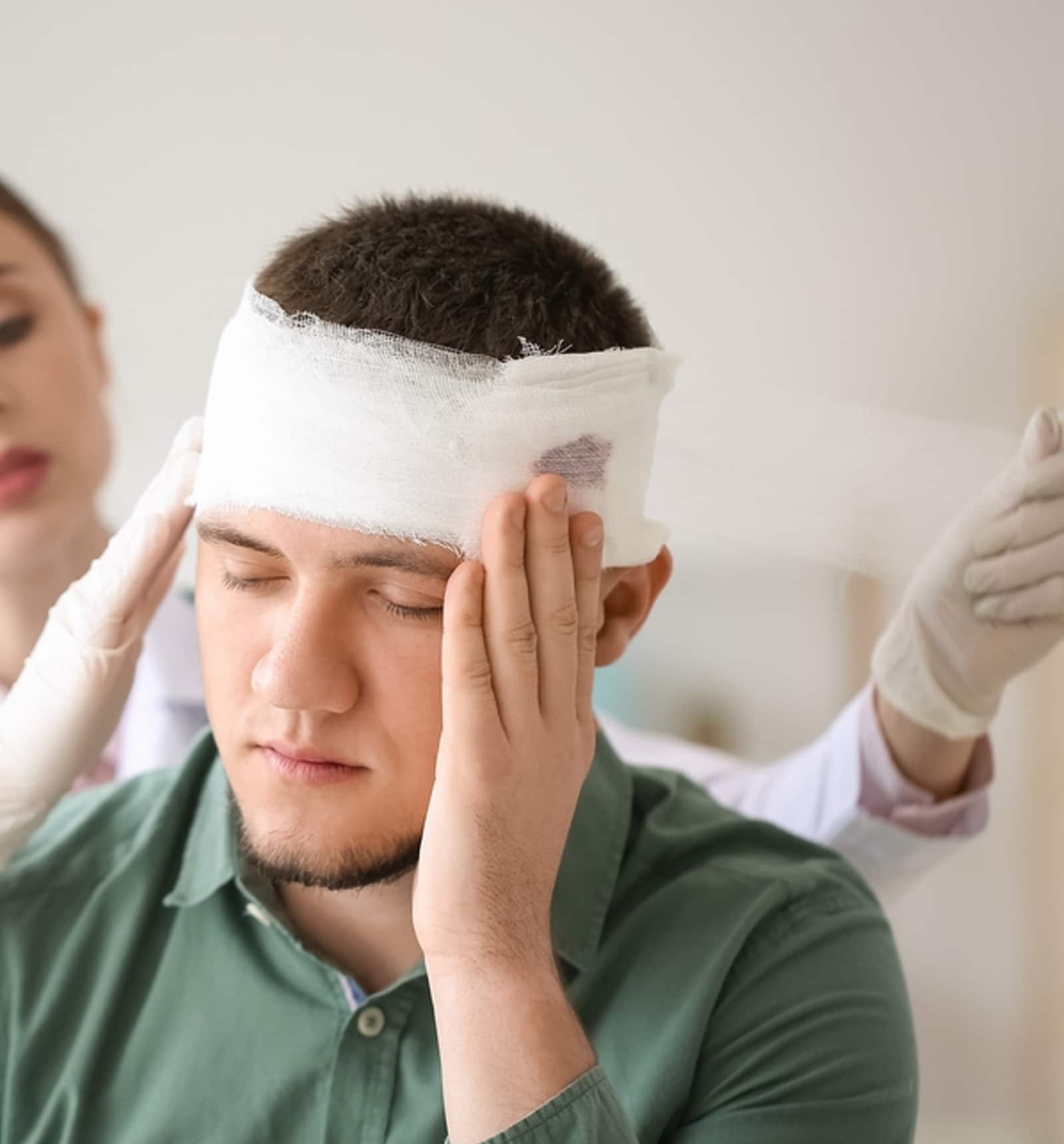
When to Seek Immediate Medical Attention After a Bicycle Accident
Certain bicycle accident symptoms require emergency medical attention. Seek emergency care if you experience:
- Loss of consciousness, confusion, seizures, or increasing drowsiness after a head injury
- A severe or worsening headache, repeated vomiting, or new neurological symptoms
- Neck or back pain accompanied by weakness, numbness, or loss of coordination
- Significant bleeding, visible deformity, or a suspected fracture
- Severe chest, abdominal, pelvic, or hip pain
- Difficulty breathing or an inability to bear weight after a serious fall
- New loss of bladder or bowel control or numbness around the groin
Head injuries should be taken seriously even when the cyclist was wearing a helmet. Do not undergo spinal manipulation following a potentially serious collision until the injury has been appropriately assessed.
Practical Ways to Support Your Recovery
Follow Your Healthcare Provider's Recommendations
Follow your treatment instructions, attend recommended follow-up appointments, and report symptoms that worsen.
Resume Physical Activity Gradually
Avoid returning immediately to intense exercise, long-distance cycling, heavy lifting, or other demanding activities.
Prioritize Rest and General Well-Being
Adequate sleep, balanced nutrition, and appropriate hydration support general health while your body recovers.
Take Precautions Before Cycling Again
Wear a properly fitted helmet, follow traffic laws, remain visible, and inspect your bicycle's brakes, tires, and steering before returning to the road.
Insurance and Documentation
Medical expenses may involve health insurance, automobile insurance, medical payments coverage, or other arrangements. Keep copies of medical reports, accident documentation, bills, and insurance correspondence, and contact our office to ask about accepted insurance plans before beginning treatment.

Schedule an Evaluation With a Bicycle Accident Chiropractor in Winter Park
If you are experiencing neck discomfort, back pain, muscle stiffness, or movement limitations after a cycling accident, contact Winter Park Chiropractic & Acupuncture Center to discuss your symptoms and find out whether chiropractic care, acupuncture, or another conservative approach may be suitable for your recovery.
Frequently Asked Questions
When should I see a bicycle accident chiropractor in Winter Park?
Consider seeking an evaluation when you experience persistent neck pain, back discomfort, muscle stiffness, or movement limitations after a bicycle accident. Serious injuries should first be assessed by an appropriate medical professional.
Can chiropractic care help with bicycle accident injuries?
Chiropractic care may help manage certain musculoskeletal conditions, including some types of neck and back pain. Its suitability depends on the injury, examination findings, and whether serious trauma has been ruled out.
Can symptoms appear days after a bicycle accident?
Yes. Some symptoms, including muscle soreness and stiffness, may become noticeable hours or days after an accident. Delayed symptoms should not automatically be considered minor, particularly after a head impact or significant collision.
Do I need an X-ray before visiting a chiropractor?
Not everyone requires an X-ray. The need for imaging depends on the accident, symptoms, examination findings, and clinical guidelines. When a fracture or serious injury is suspected, appropriate medical evaluation and diagnostic testing may be necessary.
Can acupuncture help after a bicycle accident?
Acupuncture may help some individuals manage certain types of musculoskeletal pain. It is a complementary option, not a replacement for emergency care, injury diagnosis, or treatment of serious trauma.
How long does recovery from a bicycle accident take?
Recovery time varies according to the type and severity of the injury, the individual's health, and the treatment required. Minor soft-tissue injuries may improve sooner than more complex injuries, while fractures and significant head injuries may require substantially longer recovery periods.
Will insurance cover chiropractic treatment after a bicycle accident?
Coverage depends on the applicable policy, the circumstances of the accident, and the treatment provided. Contact your insurance company and the chiropractic office to verify benefits, documentation requirements, and out-of-pocket expenses.
Should I continue cycling while recovering?
Avoid returning to cycling until it is appropriate for your injury and symptoms. Seek professional guidance before resuming strenuous activity, especially if you experienced a head injury, significant pain, dizziness, or restricted movement.
What should I bring to my first appointment?
Bring relevant medical records, imaging reports, a list of medications, and any information about previous treatment. If the accident involved a motor vehicle, insurance details may also be useful.
How can I schedule an appointment with Winter Park Chiropractic & Acupuncture Center?
Contact Winter Park Chiropractic & Acupuncture Center to ask about appointment availability, the initial evaluation process, insurance arrangements, and appropriate care options for your symptoms following a bicycle accident.