Orthopedic Surgery Winter Park
Orthopedic Surgery Winter Park: Comprehensive Care for Joint, Bone, and Musculoskeletal Conditions
Musculoskeletal pain, joint injuries, and mobility limitations can significantly affect everyday life. Whether you are experiencing persistent back pain, knee discomfort, shoulder stiffness, or an injury that interferes with your ability to work or exercise, finding the right treatment is essential for maintaining long-term health and an active lifestyle. For individuals searching for Orthopedic Surgery Winter Park, understanding the available treatment options can help them make informed decisions about their musculoskeletal health.
Orthopedic care focuses on diagnosing, treating, and managing conditions affecting the bones, joints, muscles, ligaments, tendons, and other structures responsible for movement. Depending on the nature and severity of a condition, treatment may involve conservative therapies, rehabilitation, medication, injections, or surgical intervention.
BOOK AN APPOINTMENT
with the Best Chiropractor in Winter Park , Florida
At Winter Park Chiropractic & Acupuncture Center, patients can explore conservative approaches to musculoskeletal care designed to support mobility, improve physical function, and address certain sources of pain. Although chiropractic care does not replace orthopedic surgery when an operation is medically necessary, it may play a supportive role in managing appropriate conditions before or after a surgical procedure, when approved by the treating medical team.

Understanding Orthopedic Surgery and Musculoskeletal Health
Orthopedic surgery is a medical specialty dedicated to treating injuries, diseases, and structural problems affecting the musculoskeletal system. Orthopedic surgeons receive specialized training to evaluate conditions that affect movement, stability, strength, and overall physical function.
Some orthopedic conditions can improve with nonsurgical treatment, while others may require surgery to restore function, repair damaged structures, or address significant joint degeneration. The appropriate treatment depends on the diagnosis, the patient's overall health, the severity of the condition, and the response to previous treatments.
Common reasons people seek orthopedic evaluation include:
- Persistent joint pain that interferes with everyday activities.
- Sports injuries involving ligaments, tendons, or cartilage.
- Fractures and other traumatic bone injuries.
- Arthritis that causes stiffness, swelling, and reduced mobility.
- Spinal conditions associated with pain or nerve compression.
- Rotator cuff injuries and other shoulder problems.
- Hip and knee conditions that limit walking or standing.
- Musculoskeletal problems that have not improved with conservative care.
An accurate diagnosis is the foundation of effective treatment. Patients considering orthopedic surgery in Winter Park should understand their diagnosis, available alternatives, expected recovery, and the potential benefits and risks of each treatment option.
When Should You Consider Orthopedic Surgery in Winter Park?
Not every musculoskeletal problem requires surgery. Many conditions can initially be managed through conservative treatments, activity modification, targeted exercise, and rehabilitation. However, surgery may become an appropriate consideration when structural damage is substantial or symptoms persist despite suitable nonsurgical treatment.
Persistent Pain That Limits Daily Activities
Chronic pain can affect sleep, work, exercise, and routine activities such as climbing stairs or carrying groceries. When symptoms continue despite appropriate treatment, an orthopedic evaluation may help identify the underlying cause and determine whether additional intervention is needed.
For example, advanced joint degeneration may eventually require joint replacement, while certain tendon tears may benefit from surgical repair. The decision should be based on clinical findings and the patient's individual needs rather than pain alone.


Significant Sports and Traumatic Injuries
Sports injuries can affect athletes of all ages and activity levels. Torn ligaments, severe tendon injuries, unstable joints, and some fractures require prompt medical assessment. Depending on the injury, surgery may be necessary to restore stability or repair damaged tissue.
Early evaluation is particularly important when an injury causes severe swelling, obvious deformity, inability to bear weight, or significant loss of function.
Reduced Mobility and Joint Function
Joint stiffness, instability, and restricted movement may gradually make everyday activities more difficult. If these symptoms result from advanced arthritis, structural damage, or a serious injury, an orthopedic specialist can determine whether surgery or another intervention is appropriate.
Conservative care may help some patients improve movement and manage discomfort, but it cannot correct every structural problem.
Common Conditions Treated Through Orthopedic Surgery
Orthopedic specialists treat a broad range of conditions affecting the musculoskeletal system. Understanding these conditions can help patients recognize when professional evaluation may be beneficial.
Knee Pain and Knee Joint Disorders
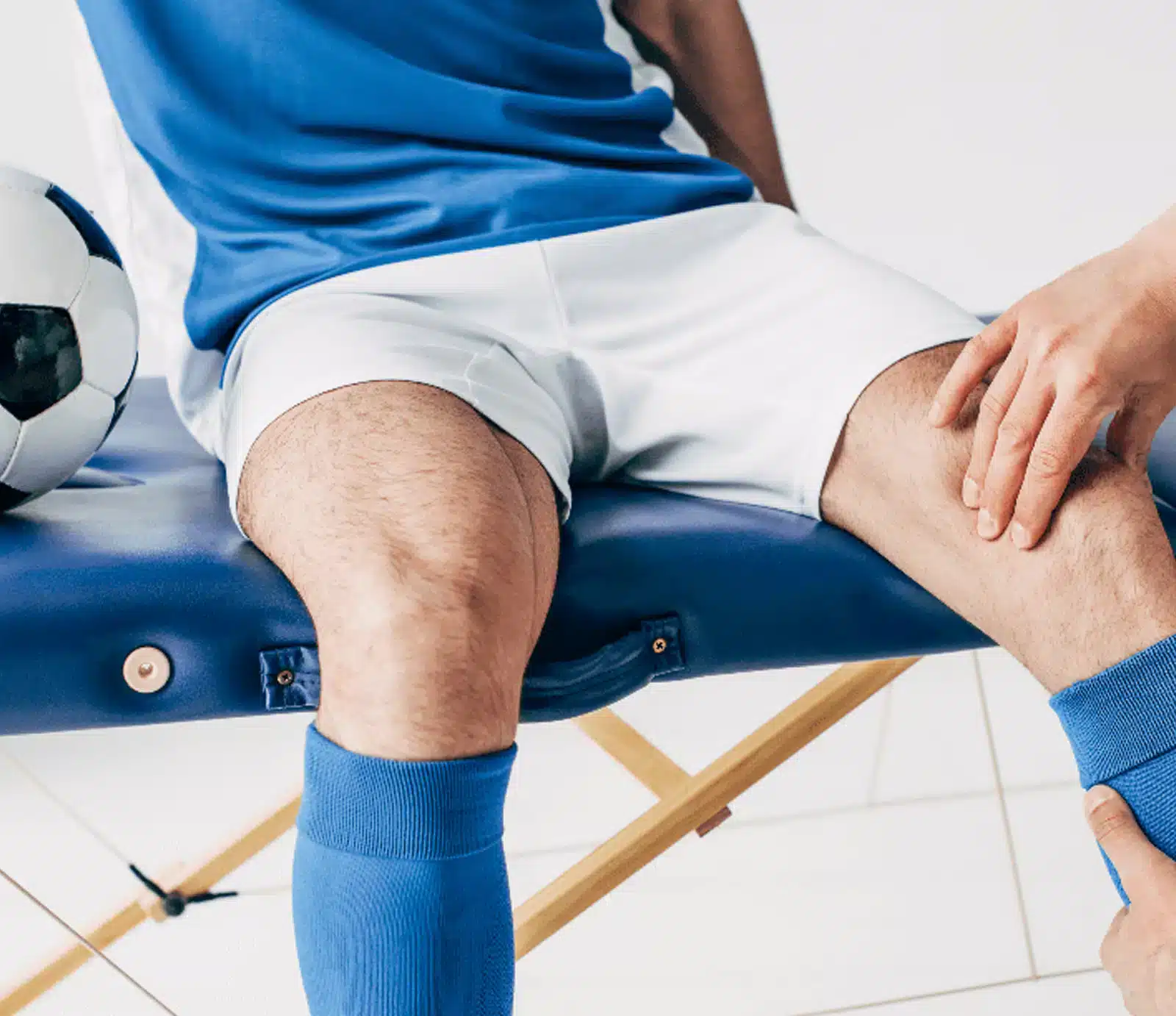
The knee supports body weight and absorbs substantial forces during walking, running, bending, and climbing stairs. Arthritis, ligament injuries, meniscus tears, and cartilage damage can all contribute to knee pain. Treatment may include physical therapy, activity modification, appropriate medication, and other nonsurgical approaches. More advanced conditions may require arthroscopic procedures, ligament reconstruction, or knee replacement, depending on the diagnosis.
Patients with knee discomfort may also benefit from a comprehensive assessment of movement patterns and muscle function. At Winter Park Chiropractic & Acupuncture Center, conservative musculoskeletal care may be considered for suitable cases, with referral to an orthopedic specialist when additional evaluation is indicated.
Hip Pain and Hip Joint Problems
Hip pain can develop because of osteoarthritis, tendon injuries, bursitis, fractures, or other conditions. Symptoms may include groin discomfort, stiffness, difficulty walking, and reduced range of motion.
When conservative treatments no longer provide sufficient relief from advanced hip arthritis, total hip replacement may be recommended. Other hip conditions may require different treatment strategies, making an accurate diagnosis essential.

Shoulder Injuries and Rotator Cuff Conditions
The shoulder relies on muscles, tendons, and ligaments to provide both stability and a wide range of motion. Rotator cuff tears, shoulder instability, and tendon injuries can cause pain during lifting, reaching, or sleeping.
Depending on the injury, treatment may involve rest, rehabilitation, medication, or surgery. Chiropractic care may help address certain associated musculoskeletal complaints when appropriate, but a suspected major tendon tear or significant shoulder injury requires medical evaluation.
Spinal Conditions and Back Pain
Spinal disorders can affect the vertebrae, intervertebral discs, joints, and surrounding nerves. Common examples include degenerative disc disease, spinal stenosis, herniated discs, and certain forms of spinal instability. Many episodes of back pain improve without surgery. However, persistent nerve compression, progressive neurological problems, or specific structural abnormalities may require assessment by a spine specialist.
People experiencing back pain should receive treatment tailored to the cause of their symptoms. Chiropractic treatment is not suitable for every spinal condition, particularly when serious neurological or structural problems are present.
Fractures and Bone Injuries
Fractures can occur after falls, vehicle accidents, sports injuries, or other traumatic events. Some fractures can be treated with immobilization, while others require surgical fixation using plates, screws, rods, or other devices.
Suspected fractures need prompt medical evaluation. Chiropractic manipulation should not be performed on an untreated fracture.
Surgical and Nonsurgical Treatment Options
Choosing the appropriate treatment for a musculoskeletal condition requires a careful assessment of its cause, severity, and effect on daily life. Orthopedic specialists often consider nonsurgical treatments first when they are medically appropriate.
Conservative Treatment and Rehabilitation
Conservative treatment may include guided exercise, physical therapy, activity modification, pain management, and strategies to improve flexibility and strength. These approaches can be useful for many soft-tissue injuries and degenerative conditions.
Rehabilitation can help restore movement, improve muscle support, and develop safer movement patterns. The specific plan should reflect the patient's diagnosis and physical capabilities.
Arthroscopic Surgery
Arthroscopy is a minimally invasive surgical technique that uses a small camera and specialized instruments to examine or treat certain joint problems. It may be used for selected knee, shoulder, and other joint conditions.
Although arthroscopy generally involves smaller incisions than traditional open surgery, its suitability depends on the injury. Not every joint condition benefits from an arthroscopic procedure.


Joint Replacement Surgery
Joint replacement may be recommended when severe arthritis or other joint damage causes substantial pain and functional limitations. During the procedure, damaged joint surfaces are replaced with artificial components.
Hip and knee replacements are common examples. Recovery usually involves a structured rehabilitation program, and the time needed to resume normal activities varies between patients.
Spinal Surgery
Spinal surgery may be considered for specific conditions involving nerve compression, instability, deformity, or other structural abnormalities. Depending on the diagnosis, procedures may include decompression, discectomy, or spinal fusion.
Because spinal surgery carries potential risks and requires careful patient selection, individuals should discuss the expected benefits, alternatives, and recovery process with a qualified spine surgeon.
The Role of Chiropractic Care in Musculoskeletal Treatment
People searching for Orthopedic Surgery Winter Park may also want to understand whether conservative care can help manage pain or improve function without an operation. In appropriate cases, chiropractic care can be one component of a broader musculoskeletal treatment plan.
Winter Park Chiropractic & Acupuncture Center provides chiropractic and acupuncture services for patients seeking conservative approaches to certain musculoskeletal concerns. The suitability of these services depends on the patient's symptoms, medical history, diagnosis, and any existing treatment recommendations.
Supporting Mobility and Physical Function
Certain musculoskeletal conditions contribute to stiffness, restricted movement, and discomfort during everyday activities. A chiropractor may evaluate posture, movement, joint mobility, and related muscle function to determine whether conservative treatment is appropriate.
Care may focus on improving comfortable movement and helping patients manage selected musculoskeletal symptoms. Treatment should always be adapted to the individual's condition and tolerance.


Managing Certain Types of Back and Neck Pain
Some forms of uncomplicated back and neck pain can respond to conservative management. Depending on the diagnosis, treatment may include appropriate manual techniques, movement guidance, and recommendations for maintaining activity.
However, not all back or neck pain should be treated with spinal manipulation. Suspected fractures, severe osteoporosis, certain inflammatory conditions, spinal instability, and symptoms suggesting serious neurological problems require medical assessment and may make manipulation inappropriate.
Acupuncture as a Complementary Option
Acupuncture may be considered as a complementary approach for certain pain conditions. Some patients use it alongside other recommended treatments to support symptom management.
It is important to understand that acupuncture does not repair a torn ligament, stabilize a fracture, replace a damaged joint, or eliminate the need for surgery when surgery is medically indicated.
Coordinating Care With Medical Specialists
When a patient has a condition that may require orthopedic surgery, collaboration between healthcare professionals is important. An orthopedic surgeon determines whether a surgical procedure is appropriate, while other qualified providers may help with conservative management or rehabilitation within their scope of practice.
Patients should share relevant diagnoses, imaging results, surgical recommendations, and medication information with their healthcare providers. After surgery, chiropractic treatment should only be considered when the surgeon or treating medical team confirms that the proposed techniques are appropriate for the patient's healing stage.
Can Conservative Treatment Help You Avoid Orthopedic Surgery?
For some patients, conservative treatment can reduce symptoms, improve physical function, and help delay or avoid surgery. The likelihood of success depends on the underlying condition and the degree of structural damage.
For example, certain cases of uncomplicated lower back pain, mild soft-tissue injuries, and movement-related discomfort may improve with suitable nonsurgical management. In contrast, a displaced fracture, a serious ligament injury, advanced joint degeneration, or progressive nerve compression may require specialized medical intervention. A responsible treatment plan should never promise that surgery can always be avoided. Instead, patients should receive clear information about the expected benefits and limitations of each option.
Before deciding on surgery, patients may wish to ask their orthopedic specialist:
- What is the exact diagnosis causing my symptoms?
- Are nonsurgical treatments appropriate for my condition?
- What are the risks of delaying surgery?
- What improvements can I realistically expect?
- How long might recovery take?
- Would a second opinion be beneficial?
These questions can help patients make informed decisions and establish realistic expectations for treatment.

What to Expect During Orthopedic Evaluation and Recovery
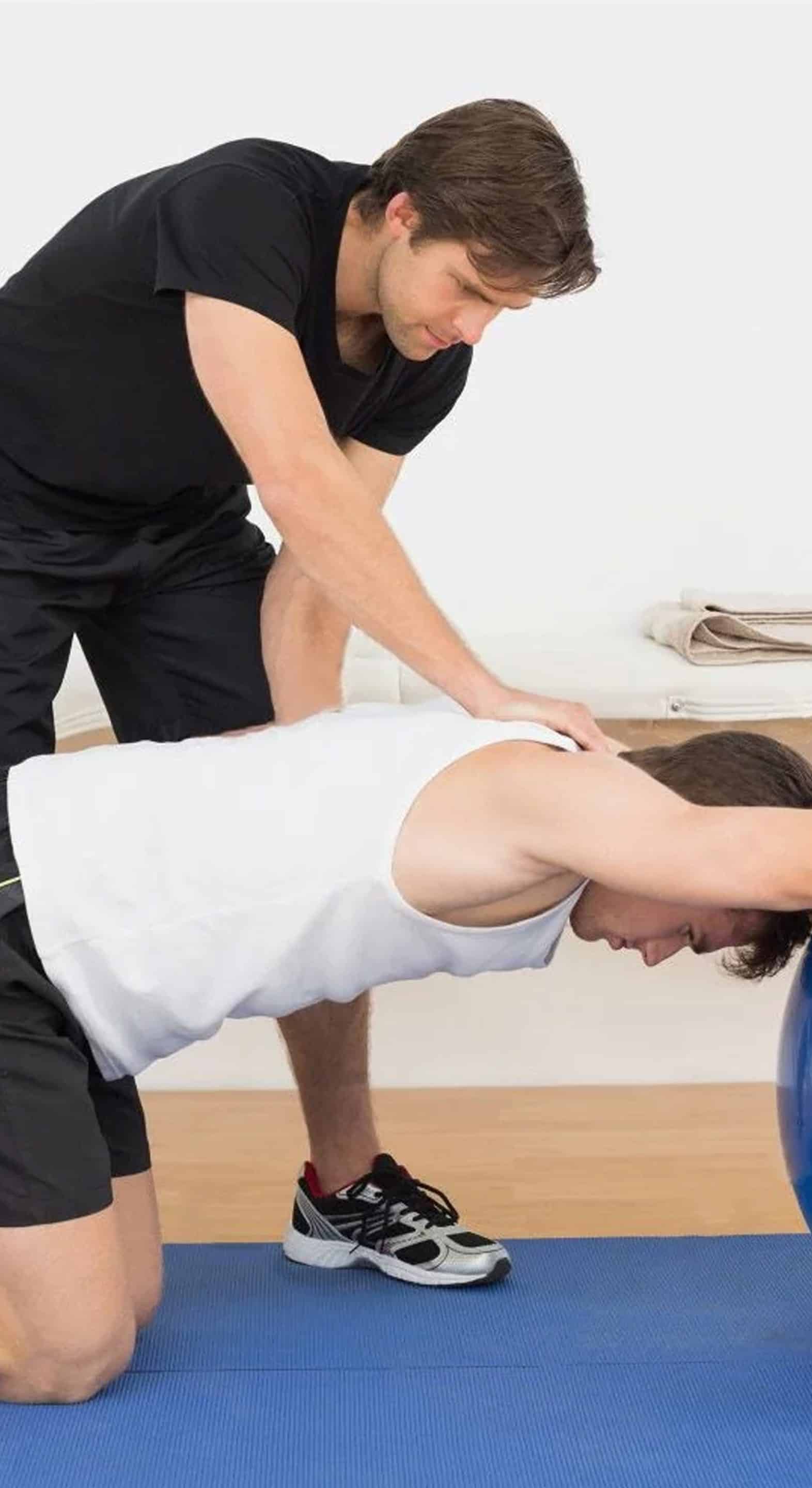
The orthopedic treatment process generally begins with a medical history, physical examination, and review of symptoms. Depending on the suspected condition, the clinician may recommend X-rays, MRI scans, CT imaging, laboratory tests, or other diagnostic procedures. Once the diagnosis is established, the specialist discusses suitable treatment options. If surgery is recommended, the patient receives information about preparation, anesthesia, potential complications, postoperative restrictions, and rehabilitation.
Preparing for a Procedure
Preparation may involve reviewing medications, addressing other health concerns, arranging transportation, and planning for assistance during early recovery. Patients should follow their surgical team's instructions carefully.
Following Postoperative Instructions
After surgery, recovery depends on the procedure, the patient's overall health, and adherence to the recommended care plan. Patients may need wound care, temporary activity restrictions, pain management, and supervised rehabilitation.
They should not resume strenuous exercise, heavy lifting, or spinal manipulation without appropriate medical clearance.
Returning to Everyday Activities
Recovery is rarely identical for every patient. Some procedures permit a gradual return to routine activities within weeks, while major joint replacement or spinal surgery may require a longer rehabilitation period.
Progress should be guided by the surgeon and rehabilitation team. New or worsening symptoms should be reported promptly rather than managed independently.
Warning Signs That Require Prompt Medical Attention
Although many musculoskeletal complaints are not emergencies, certain symptoms can indicate a serious injury or medical condition.
Seek emergency assessment for symptoms such as:
- A visibly deformed limb or suspected serious fracture.
- Sudden weakness, especially when accompanied by severe back pain.
- New loss of bladder or bowel control with back pain.
- Numbness around the groin or saddle region.
- A cold, pale, or numb limb following an injury.
- Severe pain following a major accident.
A hot, red, swollen joint accompanied by fever also requires urgent medical evaluation because infection is one possible cause. Prompt assessment can help identify conditions that need immediate treatment and prevent potentially serious complications.


Why Choose Winter Park Chiropractic & Acupuncture Center?
Finding the right provider begins with understanding your needs and identifying a treatment approach that fits your diagnosis. Winter Park Chiropractic & Acupuncture Center offers chiropractic and acupuncture services for individuals seeking conservative care for appropriate musculoskeletal concerns. Patients considering care can benefit from discussing their symptoms, health history, previous treatments, and goals with the provider. This information helps determine whether the services offered are suitable or whether referral to another medical professional is more appropriate.
The center's conservative-care approach may be relevant for patients managing certain types of back pain, neck discomfort, stiffness, or movement-related symptoms. It is not a substitute for orthopedic surgical services, emergency care, or evaluation by a medical specialist when these are required. If you are considering orthopedic surgery, you should consult a qualified orthopedic surgeon for diagnosis and treatment recommendations. If conservative chiropractic or acupuncture care is being considered as part of your broader plan, make sure all providers are aware of one another's recommendations.
An informed, coordinated approach can help you understand your options and make decisions based on your individual health needs.
Take the Next Step Toward Better Mobility in Winter Park
Persistent joint pain, limited mobility, and recurring musculoskeletal discomfort can make everyday life more challenging. Understanding the available treatment options is an important step toward finding appropriate care. For individuals researching Orthopedic Surgery Winter Park, the most effective path begins with an accurate diagnosis and a clear understanding of whether conservative management, surgical treatment, or a combination of approaches is appropriate.
Winter Park Chiropractic & Acupuncture Center offers conservative chiropractic and acupuncture services for selected musculoskeletal concerns. Contact the center to discuss your symptoms, learn whether its services may be appropriate, and determine whether further medical evaluation is needed. With the right professional guidance, patients can make informed choices about pain management, rehabilitation, and long-term mobility while keeping their health and safety at the center of every decision.
Frequently Asked Questions About Orthopedic Surgery in Winter Park
Can I avoid orthopedic surgery with chiropractic care in Winter Park?
In some cases, conservative treatment may help reduce pain and improve mobility, potentially eliminating the need for surgery. Chiropractic care may be appropriate for certain types of uncomplicated back pain, neck discomfort, and movement-related issues. However, it cannot correct every structural problem. Consult an orthopedic specialist to determine whether nonsurgical treatment is safe and appropriate for your condition.
When should I see an orthopedic surgeon for persistent joint pain?
You should consider an orthopedic evaluation if joint pain persists despite appropriate treatment, limits your daily activities, causes recurring swelling, or restricts your movement. Severe pain, an obvious deformity, or an inability to bear weight after an injury requires prompt medical assessment. An orthopedic specialist can identify the cause and recommend suitable treatment options.
What are the alternatives to orthopedic surgery for back and joint pain?
Depending on the diagnosis, alternatives may include physical therapy, therapeutic exercises, activity modification, appropriate medication, and selected pain-management procedures. Chiropractic care and acupuncture may also help manage certain musculoskeletal symptoms. However, conservative treatments are not suitable for every condition, particularly serious fractures, major structural injuries, or progressive nerve compression.
Can chiropractic care help after orthopedic surgery?
Chiropractic care may be considered for selected musculoskeletal concerns after orthopedic surgery, but only when the treating surgeon or medical team confirms that the proposed treatment is safe. Recovery requirements vary depending on the procedure, surgical site, and healing progress. Patients should follow postoperative restrictions and avoid manipulation near a healing surgical area unless specifically cleared by their medical team.
How do I choose between orthopedic surgery and conservative treatment in Winter Park?
The right choice depends on your diagnosis, symptom severity, degree of structural damage, overall health, and response to previous treatments. An orthopedic specialist can explain whether surgery is necessary or whether nonsurgical options are reasonable. Winter Park Chiropractic & Acupuncture Center may provide complementary conservative care for appropriate conditions. Discussing your options with qualified healthcare professionals can help you make an informed decision.