
Pain & Injury Orlando
Pain & Injury Orlando: Personalized Chiropractic Care for Pain Relief and Recovery
Pain and injuries can affect every part of your daily routine, from working at a desk and driving to exercising and spending time with family. Whether you are experiencing persistent back pain, neck stiffness, muscle tension, sports-related injuries, or discomfort following an automobile accident, finding the right care can help you take meaningful steps toward improved mobility and physical well-being.
If you are searching for Pain & Injury Orlando services, Winter Park Chiropractic & Acupuncture Center offers chiropractic care and complementary therapies designed to address musculoskeletal concerns and support individual recovery goals. We focus on understanding each patient's symptoms, physical limitations, and daily activities to help determine appropriate care options.
BOOK AN APPOINTMENT
with the Best Chiropractor in Winter Park , Florida
Pain management is not a one-size-fits-all process. Different conditions can produce similar symptoms, and effective care begins with understanding their possible causes. Through an individualized approach, you can explore conservative treatment options, learn strategies for managing discomfort, and work toward restoring comfortable movement.

Understanding Pain and Injuries: Recognizing When You Need Care
Pain is often a signal that something in the body needs attention. It may develop gradually because of repetitive movements, prolonged sitting, physical strain, or age-related changes. Alternatively, it may appear suddenly following an accident, an athletic activity, or an unexpected movement.
While minor aches sometimes improve with appropriate self-care, persistent or recurring discomfort deserves attention, especially when it interferes with sleep, work, exercise, or everyday activities.
Common conditions that may lead people to seek pain and injury care include:
- Lower back pain: Discomfort that makes bending, lifting, sitting, or standing difficult.
- Neck pain and stiffness: Symptoms associated with muscle strain, posture, repetitive activities, or certain injuries.
- Shoulder discomfort: Pain that interferes with reaching, lifting, or participating in sports.
- Sports-related injuries: Strains, overuse problems, and other musculoskeletal complaints arising during physical activity.
- Auto accident injuries: Neck, back, and soft-tissue symptoms following a vehicle collision.
- Muscle tension: Tightness or soreness associated with physical demands, repetitive movements, or prolonged static positions.
- Joint discomfort: Symptoms that affect flexibility, mobility, or the ability to complete routine tasks.
The appropriate treatment depends on the underlying cause and the severity of the condition. A professional evaluation can help determine whether chiropractic care may be suitable or whether additional medical investigation is necessary.
Pain & Injury Orlando: The Importance of Personalized Treatment
Every patient has different needs, physical capabilities, and recovery goals. Two individuals with similar back pain, for example, may have different contributing factors and require different approaches to care.
At Winter Park Chiropractic & Acupuncture Center, you can explore treatment options based on your symptoms and individual circumstances. A thoughtful approach considers more than the location of the pain; it also examines how discomfort affects movement, daily routines, and overall quality of life.
A personalized treatment plan may include:
- Reviewing your symptoms, medical history, and previous injuries
- Evaluating relevant movement patterns and physical limitations
- Identifying activities that aggravate or relieve your discomfort
- Discussing appropriate chiropractic and complementary treatment options
- Recommending practical movement, exercise, and activity modifications
- Monitoring progress and adjusting the approach when necessary
The goal is to establish realistic expectations and help you make informed decisions about your care. Depending on the condition, treatment may focus on reducing symptoms, improving mobility, restoring everyday function, or supporting a gradual return to physical activity.
A personalized plan should also recognize when symptoms fall outside the scope of chiropractic care and require evaluation by another healthcare professional.
Chiropractic Care for Back Pain and Neck Discomfort
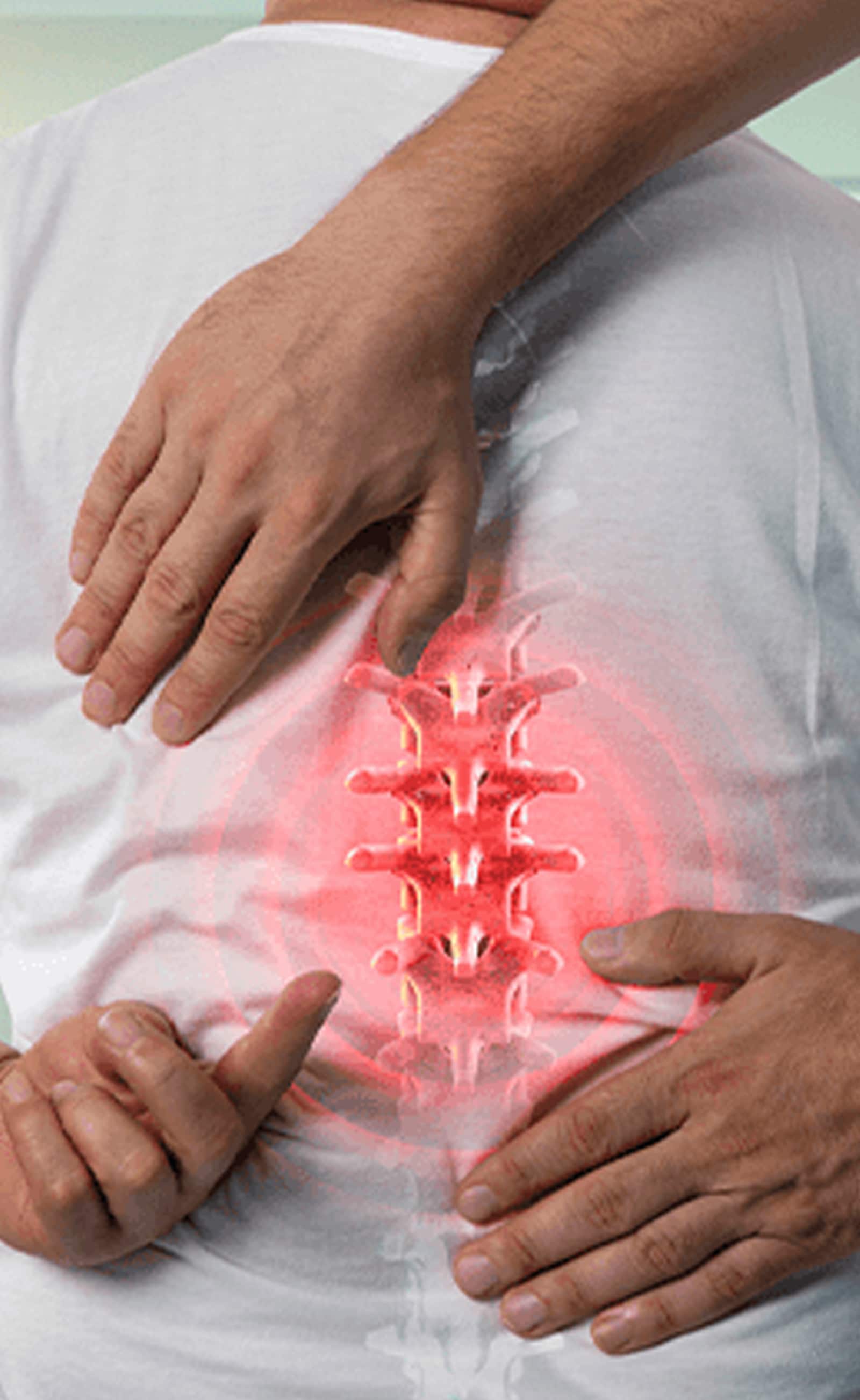
Back and neck pain are common reasons people seek conservative musculoskeletal care. Long hours at a computer, repetitive lifting, physically demanding work, and certain injuries can contribute to stiffness, soreness, and reduced mobility.
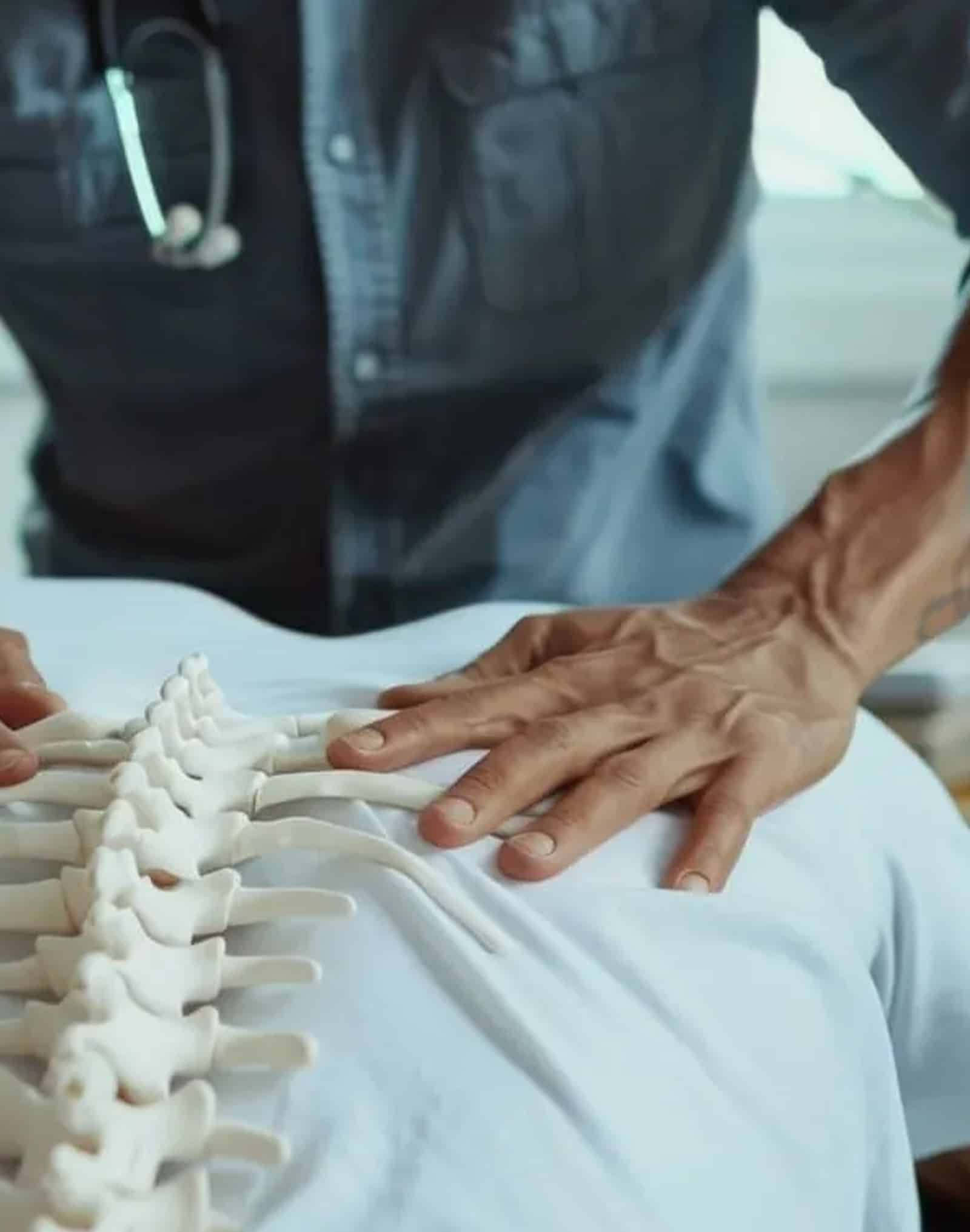
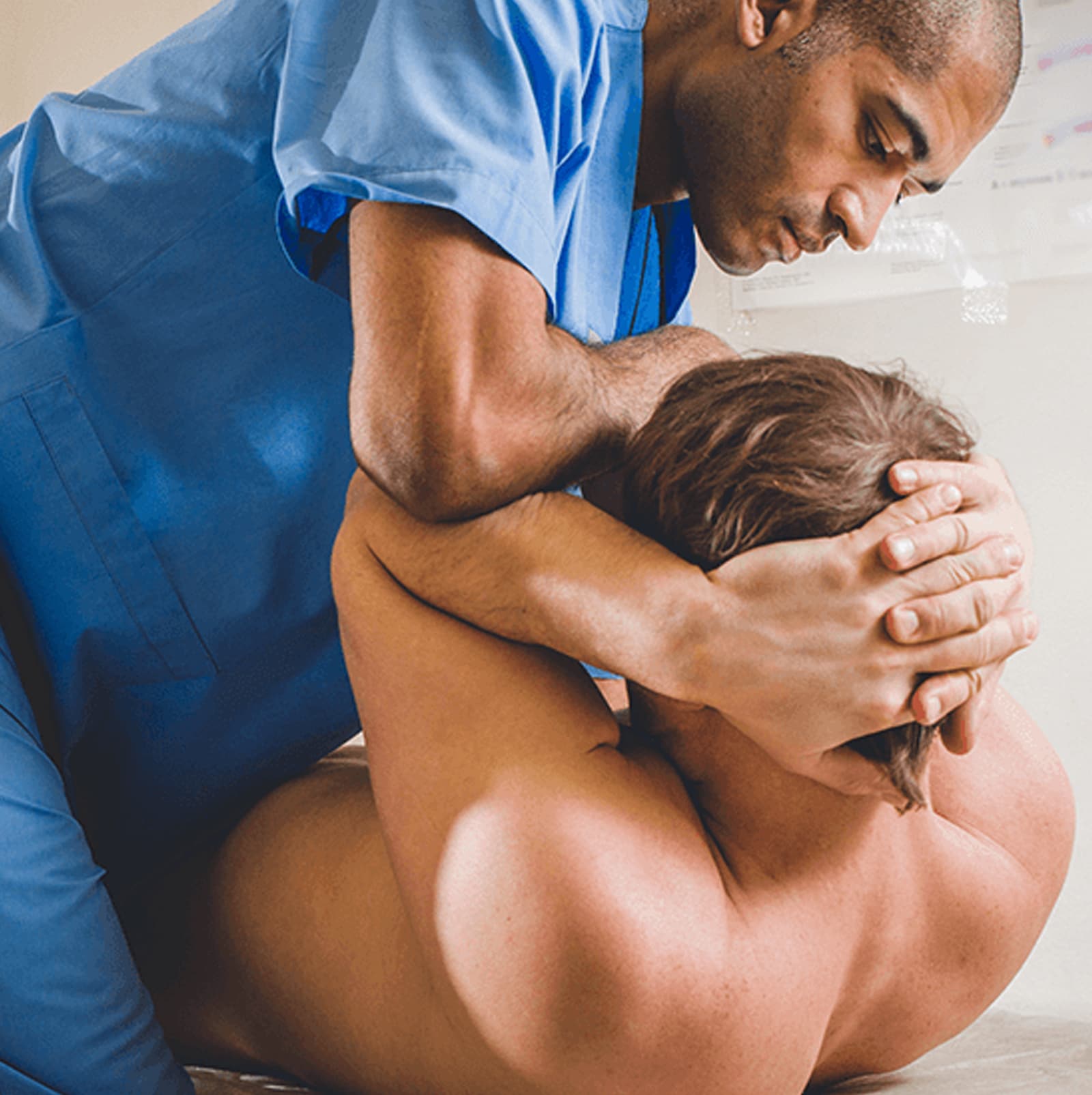
Chiropractic care may be appropriate for selected conditions involving the spine, joints, and surrounding muscles. Following an assessment, treatment options may include spinal manipulation or mobilization, soft-tissue techniques, movement guidance, and exercises suited to your condition.
Finding Relief From Lower Back Pain
Lower back pain can interfere with ordinary activities such as getting out of bed, walking comfortably, lifting groceries, or sitting through a workday.
Possible contributing factors include muscle strain, repetitive physical stress, reduced conditioning, and certain spinal conditions. However, back pain can also arise from medical problems that require a different type of treatment.
For appropriate patients, conservative care may focus on improving mobility, managing symptoms, and helping restore tolerance for everyday movement. Guidance on lifting techniques, gradual physical activity, and comfortable movement patterns may complement in-office treatment.
Persistent pain, pain accompanied by fever, or symptoms associated with unexplained weight loss should receive medical evaluation. New bowel or bladder dysfunction, numbness around the groin, or progressive leg weakness requires emergency assessment.
Managing Neck Pain and Stiffness
Neck discomfort may develop after extended computer use, repetitive activities, awkward sleeping positions, or an injury. Some people experience difficulty turning their heads, while others notice discomfort extending into the shoulders.
Appropriate care depends on the cause and severity of the symptoms. When clinically suitable, treatment may involve gentle mobility exercises, posture adjustments, and selected manual therapies.
Patients experiencing significant weakness, new neurological symptoms, severe headaches, or neck pain after a major accident should seek prompt medical evaluation before pursuing routine chiropractic treatment.
Sports Injury Care for Active Individuals
Exercise and sports offer important health benefits, but physical activity can also place considerable stress on muscles, tendons, ligaments, and joints. Overtraining, inadequate recovery, sudden changes in exercise intensity, and accidental impacts may contribute to injuries.
Common sports-related complaints include muscle strains, joint discomfort, restricted movement, and overuse-related symptoms. For athletes and recreational fitness enthusiasts, recovery should be guided by the nature of the injury rather than pain levels alone. Returning to strenuous activity too soon can aggravate certain conditions and delay recovery.
Depending on the diagnosis, a sports injury care plan may involve:
- Assessing mobility and functional limitations
- Modifying activities that aggravate symptoms
- Introducing appropriate strengthening and mobility exercises
- Reviewing training habits and movement mechanics
- Developing a gradual return-to-sport strategy
- Recommending further medical assessment when necessary
Contact us to discuss available chiropractic services and whether an evaluation may be appropriate for your musculoskeletal concerns.
Auto Accident Injuries: Why Prompt Assessment Matters
A vehicle collision can expose the body to sudden forces that affect the neck, back, shoulders, and other structures. Symptoms do not always appear immediately, so a person may feel relatively comfortable at first and notice soreness or stiffness later.
Whiplash-associated disorders are one example of injuries that can occur when the neck moves rapidly during a collision. Symptoms may include neck discomfort, reduced range of motion, headaches, and shoulder tension.
However, not every post-accident symptom represents a minor soft-tissue injury. Fractures, neurological injuries, and other serious conditions must be considered when appropriate.
What Should You Do After an Automobile Accident?
Once urgent injuries have been ruled out or appropriately managed, a healthcare professional can help determine whether conservative musculoskeletal care is suitable. Depending on the diagnosis, a care plan may include symptom monitoring, movement assessment, recommendations for appropriate activity, and selected treatment techniques.
If you are searching for Pain & Injury Orlando services following a collision, contact us to ask about available appointments and whether we can accommodate your needs.

Important: Seek emergency medical care for severe pain, confusion, loss of consciousness, significant weakness, difficulty breathing, or other concerning symptoms. Do not delay emergency assessment while arranging chiropractic treatment.

Acupuncture for Complementary Pain Management
Acupuncture involves inserting fine needles into specific points on the body. It may be considered as part of a broader pain management strategy for certain conditions.
Evidence suggests acupuncture can provide modest benefits for some people with chronic back and neck pain, although outcomes vary according to the condition and individual circumstances. It is not a guaranteed solution and should not replace necessary medical treatment.
When appropriate, acupuncture may complement other strategies, such as movement-based rehabilitation, activity modification, and medical care. Potential treatment goals may include:
- Helping manage certain types of persistent pain
- Supporting relaxation and general comfort
- Providing an additional option within a broader care plan
- Complementing other appropriate conservative treatments
Discuss your medical history, medications, bleeding risks, and other relevant considerations with a qualified practitioner before beginning acupuncture.
Cupping Therapy for Muscle Tension and Discomfort
Cupping therapy uses cups placed on the skin to create suction. Some people explore this complementary treatment for muscle tightness, soreness, and relaxation.
Although cupping is popular in some wellness settings, scientific evidence supporting its effectiveness remains limited for many conditions. It should not be presented as a cure for injuries or a replacement for evidence-based treatment.
Possible side effects include temporary circular marks, bruising, and skin irritation. More serious complications can occur, particularly with inappropriate techniques or poor hygiene. People with certain skin conditions, bleeding disorders, or other medical concerns should consult an appropriate healthcare professional before receiving cupping therapy.
Interested in complementary approaches? Contact us to ask about available services and discuss whether these options are appropriate for your circumstances.

Acute and Chronic Pain: Understanding the Difference
The duration and pattern of pain can influence how it should be evaluated and managed.
Acute Pain
Acute pain generally begins suddenly and lasts for a relatively short period. It may follow an injury, an unusual physical effort, or a sudden movement. Treatment depends on the severity of the problem and whether warning signs are present.
Chronic Pain
Chronic pain persists or recurs over an extended period, often three months or longer. It may be associated with an ongoing medical condition, a previous injury, or several contributing factors.
Persistent pain can affect sleep, concentration, mood, mobility, and quality of life. Depending on the cause, management may involve primary care, physical rehabilitation, pain specialists, or other healthcare professionals.
Chiropractic care may be helpful for some patients with selected musculoskeletal conditions, but it is not appropriate for every type of acute or chronic pain. A proper evaluation helps identify reasonable options and determine when additional medical care is needed.
What to Expect During a Pain and Injury Evaluation
Knowing what happens during an appointment can help you feel more confident about seeking care.
1
Discussing Your Symptoms
We may ask when your pain began, how it feels, whether it spreads to other areas, and which activities make it better or worse. Previous injuries, medical conditions, and medications may also be relevant.
2
Assessing Movement and Function
Depending on your symptoms, the evaluation may include observing posture, checking relevant range of motion, and assessing tenderness or movement limitations. Screening for symptoms that require medical referral is also important.
3
Exploring Treatment Options
Following the assessment, we explain potential treatment approaches, expected goals, risks, and alternatives. You should understand why a particular treatment is recommended and have the opportunity to ask questions.
4
Creating a Practical Care Plan
A plan may involve in-office treatment, home exercises, activity modifications, or follow-up appointments. Recommendations should reflect your condition, daily routine, and recovery goals.
5
Monitoring Your Progress
Progress can be assessed by looking at meaningful changes, including improved mobility, reduced discomfort, better sleep, and greater ability to perform daily activities.
If symptoms worsen, new warning signs develop, or treatment is not helping as expected, the care plan should be reassessed.
Everyday Habits That Support Musculoskeletal Health
Professional care is only one part of maintaining physical health. Everyday habits can influence how your body responds to movement and physical demands.
Stay Appropriately Active
Regular movement can support strength, flexibility, and general fitness. Choose activities that match your abilities and health needs.
Take Breaks From Prolonged Sitting
Change positions regularly and include brief movement breaks throughout your workday.
Practice Sensible Lifting Techniques
Keep loads manageable, avoid twisting while lifting, and seek assistance with heavy or awkward objects.
Increase Exercise Gradually
Sudden changes in training intensity may place excessive stress on muscles and joints. Allow adequate time for recovery.
Prioritize Sleep and Recovery
Adequate rest supports general health and helps you manage everyday physical demands.
Address Persistent Symptoms Early
Repeatedly aggravating an injury may prolong certain problems. Seek professional guidance when discomfort persists or interferes with daily life.
These strategies cannot prevent every injury, but they can help reduce avoidable strain and encourage healthier movement habits.
Why Choose Winter Park Chiropractic & Acupuncture Center?
When searching for Pain & Injury Orlando services, it is important to find a provider who listens carefully, explains treatment options clearly, and understands when additional medical evaluation is necessary.
We offer chiropractic and complementary services for people seeking support with musculoskeletal concerns. Reasons to consider a consultation include:
- An opportunity to discuss your symptoms and recovery goals
- Guidance on conservative options for appropriate musculoskeletal conditions
- Access to information about chiropractic care and complementary therapies
- Recommendations that consider movement, daily activities, and functional needs
- Follow-up discussions to evaluate progress and determine whether changes are needed
Treatment decisions should be collaborative and informed. Ask about the proposed approach, expected benefits, possible risks, alternatives, costs, and how progress will be measured.
Every injury is different, and no treatment can guarantee a specific outcome. The goal is to develop an appropriate plan based on your condition, available evidence, and individual preferences.
Take the Next Step Toward Pain Relief in Orlando
Living with pain can make even simple activities feel difficult. Persistent back discomfort, neck stiffness, sports injuries, and symptoms following an automobile accident can all interfere with your ability to work, exercise, and enjoy daily life.
Contact us to discuss your symptoms, ask about available appointments, and find out whether an evaluation is appropriate for your needs. With a personalized care plan, realistic recovery goals, and attention to everyday movement, you can take practical steps toward improving comfort and function.
Frequently Asked Questions
What types of pain and injuries can a chiropractor help address?
Chiropractic care may help some patients with musculoskeletal conditions, including certain types of back pain, neck pain, joint discomfort, and movement limitations. The appropriate treatment depends on the diagnosis, medical history, and severity of symptoms.
When should I seek professional care for back or neck pain?
Consider an evaluation when pain persists, repeatedly returns, restricts movement, or interferes with work, sleep, or daily activities. Severe symptoms, progressive weakness, new neurological changes, or pain following a major accident may require urgent medical assessment.
Can chiropractic care help after an auto accident?
Chiropractic care may be appropriate for selected musculoskeletal symptoms after an accident, but only after potentially serious injuries have been evaluated. Treatment should be based on the diagnosis and coordinated with other medical care when necessary.
How long does it take to recover from a pain or injury condition?
Recovery varies according to the type and severity of the injury, overall health, and treatment needs. Some minor conditions improve relatively quickly, while more complex or persistent problems may require longer-term management. Your provider can discuss realistic expectations after an assessment.
Is chiropractic treatment suitable for chronic pain?
It may be suitable for certain chronic musculoskeletal conditions. However, chronic pain can have multiple causes, so treatment should be individualized and may involve collaboration with other healthcare professionals.
Can acupuncture help with back and neck pain?
Acupuncture may provide modest relief for some people with chronic back or neck pain. Results vary, and it is best considered as one possible component of a broader treatment plan rather than a guaranteed cure.
What is the difference between chiropractic care and physical therapy?
Chiropractic care often emphasizes the assessment and conservative management of musculoskeletal conditions, including joint and spinal function. Physical therapy commonly emphasizes therapeutic exercise, rehabilitation, functional movement, and recovery following injury or surgery. The two approaches may complement one another depending on your needs.
Can I exercise while recovering from an injury?
That depends on the injury and its severity. Appropriate movement may support recovery in some cases, while certain activities can worsen symptoms or cause further damage. Follow professional guidance, modify aggravating activities, and return to strenuous exercise gradually.
Does insurance cover pain and injury treatment in Orlando?
Coverage depends on your insurance policy, the provider, the service, and any referral or authorization requirements. Contact your insurance company and our office to verify benefits, accepted plans, out-of-pocket expenses, and payment options before scheduling treatment.
How can I schedule a pain and injury consultation at Winter Park Chiropractic & Acupuncture Center?
Call us or use the appointment form on this page to ask about available appointments, treatment services, and whether we can address your specific concerns. Be prepared to describe your symptoms and any relevant injury history.
What should I bring to my first appointment?
Bring relevant medical records, imaging reports if available, a list of current medications, details about previous injuries, and your insurance information if applicable. Sharing when your symptoms began and which activities affect them can also help guide the assessment.
When should I seek emergency care instead of chiropractic treatment?
Seek emergency care for serious symptoms such as new bowel or bladder dysfunction with back pain, numbness around the groin, progressive weakness, major trauma, loss of consciousness, or severe neurological symptoms. These signs may indicate conditions requiring immediate medical attention.