Regenerative Therapy Winter Park
Regenerative Therapy Winter Park: Explore Modern Solutions for Pain Relief and Mobility
Persistent joint pain, muscle stiffness, and limited mobility can affect nearly every aspect of daily life. From struggling to enjoy your favorite activities to experiencing discomfort during work or exercise, ongoing musculoskeletal problems can make it difficult to maintain an active lifestyle. For individuals researching Regenerative Therapy Winter Park, understanding modern treatment options is an important step toward making informed decisions about their health and well-being.
At Winter Park Chiropractic & Acupuncture Center, you can explore conservative approaches to musculoskeletal wellness, including chiropractic care and acupuncture. These services may help address certain types of pain, movement restrictions, and functional limitations. If you are considering regenerative medicine, understanding how these treatments differ from traditional pain management can also help guide conversations with qualified healthcare professionals.
BOOK AN APPOINTMENT
with the Best Chiropractor in Winter Park , Florida
Whether you are dealing with persistent joint discomfort, a sports-related injury, or recurring back pain, a personalized evaluation can help identify suitable treatment options and establish realistic goals for recovery.

Understanding Regenerative Therapy and Its Benefits
Regenerative therapy encompasses a range of medical approaches designed to support the body's natural repair processes or influence biological healing responses. Depending on the condition, available options may include platelet-rich plasma therapy, prolotherapy, and other specialized procedures. However, not every treatment is appropriate for every diagnosis, and scientific evidence varies considerably between procedures.
Regenerative medicine is a developing area of healthcare that investigates ways to support tissue repair, improve biological function, and address certain conditions that affect the musculoskeletal system. Traditional pain management may focus on reducing inflammation, relieving discomfort, or improving movement. Some regenerative procedures, by contrast, aim to influence the body's healing response through specific biological materials or targeted injections.
The term regenerative therapy does not refer to one universal treatment. Different procedures use different methods, and their effectiveness depends on the condition being treated, your health, and the quality of available clinical evidence.
Depending on the treatment and diagnosis, potential goals may include:
- Pain management: Addressing symptoms associated with certain joint, tendon, or musculoskeletal conditions.
- Improved mobility: Helping you work toward more comfortable movement and everyday physical function.
- Support for recovery: Exploring appropriate options for selected injuries or persistent musculoskeletal problems.
- Personalized treatment planning: Matching treatment decisions to your medical history, symptoms, and functional goals.
- Long-term wellness: Combining appropriate clinical care with exercise, movement education, and healthy daily habits.
Regenerative treatments do not guarantee tissue restoration or complete pain relief. A qualified healthcare professional can explain which procedures have supporting evidence for a particular condition and which remain experimental or uncertain.
Why Consider Regenerative Therapy in Winter Park?
Winter Park residents lead diverse lifestyles, from working in physically demanding occupations to participating in recreational sports, fitness programs, and everyday family activities. When pain or restricted movement interferes with these routines, finding an appropriate treatment strategy becomes a priority.
Some individuals explore regenerative medicine after trying conventional treatments without achieving their desired results. Others want to understand their options before committing to a more invasive procedure. Common concerns that may prompt a discussion about regenerative treatment include:
Joint Pain and Stiffness
Joint discomfort can develop because of osteoarthritis, previous injuries, overuse, or other medical conditions. Symptoms may include stiffness, tenderness, swelling, or difficulty performing certain movements.
Some regenerative procedures have been studied for selected joint conditions, but results are variable. For example, PRP injections may provide symptom improvement for certain patients with knee osteoarthritis, although outcomes differ and evidence does not establish that PRP reliably rebuilds damaged cartilage.
Persistent Tendon Problems
Tendons connect muscles to bones and help transmit force during movement. Repetitive activity, excessive loading, and certain injuries can contribute to tendon pain.
Selected regenerative procedures have been investigated for specific tendon conditions. Appropriate diagnosis is essential because tendon problems may require activity modification, progressive strengthening, rehabilitation, or other medical treatment before an injection is considered.
Sports-Related Injuries
Athletes and active individuals may experience injuries involving muscles, tendons, ligaments, or joints. Treatment depends on the type and severity of the injury.
A comprehensive recovery plan may involve rehabilitation, gradual return to activity, and medical assessment. Certain regenerative procedures may be considered for selected conditions, but they are not substitutes for appropriate injury management.
Chronic Back and Neck Discomfort
Back and neck pain can arise from several causes, including muscular strain, joint irritation, disc-related problems, and nerve involvement.
Regenerative injections are not appropriate for every spinal condition, and evidence varies by procedure and diagnosis. A thorough evaluation helps determine whether conservative care, additional testing, specialist assessment, or another treatment is warranted.

Exploring Common Regenerative Medicine Treatments
Understanding the available procedures can help you ask more informed questions during a consultation. The following treatments have different mechanisms, indications, and levels of clinical evidence.
Platelet-Rich Plasma (PRP) Therapy
Platelet-rich plasma therapy uses a concentrated preparation made from your own blood. A healthcare professional collects a blood sample, processes it to concentrate platelets, and prepares the resulting material for a specific medical application.
Platelets contain growth factors and other signaling substances involved in normal healing processes. Researchers have investigated PRP for selected orthopedic conditions, including certain tendon injuries and knee osteoarthritis. However, PRP is not equally effective for every condition. Preparation methods, injection techniques, the severity of the problem, and individual patient characteristics can influence outcomes.
Before considering PRP, ask:
- Is PRP supported by evidence for my specific diagnosis?
- What improvement is reasonably expected?
- What risks or side effects should I understand?
- How many treatments might be recommended, and what will they cost?
- What alternatives are available?
A qualified clinician can help determine whether PRP is a reasonable option or whether another treatment is more appropriate.
Prolotherapy
Prolotherapy is an injection-based approach that commonly uses a dextrose-containing solution to stimulate a local response in targeted tissues.
It has been studied for selected musculoskeletal conditions, including certain forms of joint and ligament-related pain. Nevertheless, the evidence is variable, and its effectiveness cannot be assumed for every injury or chronic pain condition.
If you are considering prolotherapy, you should receive a clear explanation of the procedure, the research supporting its use, potential complications, and other available treatments.
Cell-Based and Bone Marrow-Derived Treatments
Some specialized clinics offer procedures involving bone marrow aspirate concentrate or other cell-based biological materials. These treatments are being investigated for selected orthopedic applications, but their effectiveness, risks, and regulatory status depend on the specific product and intended use.
Marketing terms such as stem cell therapy can be misleading when they suggest that a procedure will reliably regenerate cartilage, reverse arthritis, or eliminate the need for surgery. Verify the exact material being administered, the qualifications of the provider, the regulatory status of the procedure, and the quality of the supporting clinical evidence.
Conservative Care and Rehabilitation
Not every musculoskeletal problem requires an injection or advanced procedure. Depending on the diagnosis, conservative treatments may include therapeutic exercise, activity modification, chiropractic care, acupuncture, and other appropriate interventions.
These approaches generally focus on managing symptoms, improving movement, and helping you return to everyday activities. They should not automatically be described as regenerative treatments because they do not necessarily repair damaged tissue directly.
For many patients, conservative care is an appropriate first step before considering more invasive or costly procedures.
How Chiropractic Care Supports Musculoskeletal Wellness
Chiropractic care focuses on evaluating and managing certain conditions involving the spine, joints, muscles, and related structures. Depending on your symptoms and clinical findings, treatment may include spinal manipulation, joint mobilization, movement guidance, and recommendations for suitable exercises.
For some people experiencing mechanical back pain, neck discomfort, or movement restrictions, chiropractic care may help improve symptoms and function.
Winter Park Chiropractic & Acupuncture Center provides chiropractic services for individuals seeking a personalized approach to musculoskeletal health. Care should be based on an appropriate assessment of your symptoms, medical history, and functional needs.
Chiropractic care and regenerative medicine are distinct. Chiropractic adjustments are not equivalent to PRP injections, prolotherapy, or cell-based procedures. Please confirm which services we currently offer rather than assuming that every regenerative procedure is available on-site.
When you may benefit from specialized regenerative medicine, coordination with a qualified medical professional can help ensure that treatment decisions are appropriate for the underlying condition.


The Role of Acupuncture in Pain Management
Acupuncture is another option that may complement a musculoskeletal wellness plan. It involves inserting very fine needles at specific points on the body and is used in various clinical settings to help manage selected symptoms.
Research suggests that acupuncture may help some people with certain chronic pain conditions. However, the extent of benefit varies, and acupuncture should not be represented as a proven method for rebuilding cartilage or repairing torn ligaments.
For appropriate patients, acupuncture may be considered alongside other interventions to help manage discomfort and support participation in normal daily activities.
We offer acupuncture and chiropractic services that may be relevant if you are exploring conservative approaches to pain management. A consultation can help determine whether these services align with your needs and whether further medical evaluation is necessary.
What to Expect During a Regenerative Therapy Consultation
Choosing the right treatment begins with understanding the cause of the symptoms. A responsible consultation should focus on diagnosis, safety, realistic expectations, and the options most appropriate for you.
1
Discuss Your Symptoms and Health History
The healthcare professional should ask about the location, duration, and severity of your symptoms, previous injuries, medications, existing medical conditions, and treatments you have already tried. This information helps identify potential causes and factors that may influence treatment suitability.
2
Complete an Appropriate Assessment
Depending on the complaint and the provider's qualifications, the evaluation may involve a physical examination, movement testing, neurological screening, and a review of previous medical records. Imaging or additional diagnostic testing may be appropriate in certain circumstances, particularly when the diagnosis is unclear or more serious conditions need to be ruled out.
3
Review Available Treatment Options
Once the problem has been assessed, the provider can explain appropriate treatment choices. These may include conservative care, rehabilitation, medication, specialist referral, or a regenerative procedure when supported by evidence for the specific condition. A recommendation should account for potential benefits, risks, costs, and alternatives.
4
Establish Clear Recovery Goals
Treatment goals should reflect what matters to you. Examples include walking more comfortably, returning to recreational activities, improving movement, or reducing the impact of pain on daily routines. You should also understand the expected recovery timeline and how progress will be assessed.
5
Monitor Progress
Follow-up appointments help determine whether the treatment is producing the expected improvement. If symptoms persist, worsen, or change significantly, the treatment plan may need to be reassessed. A responsible healthcare provider should explain when further testing or referral is appropriate.
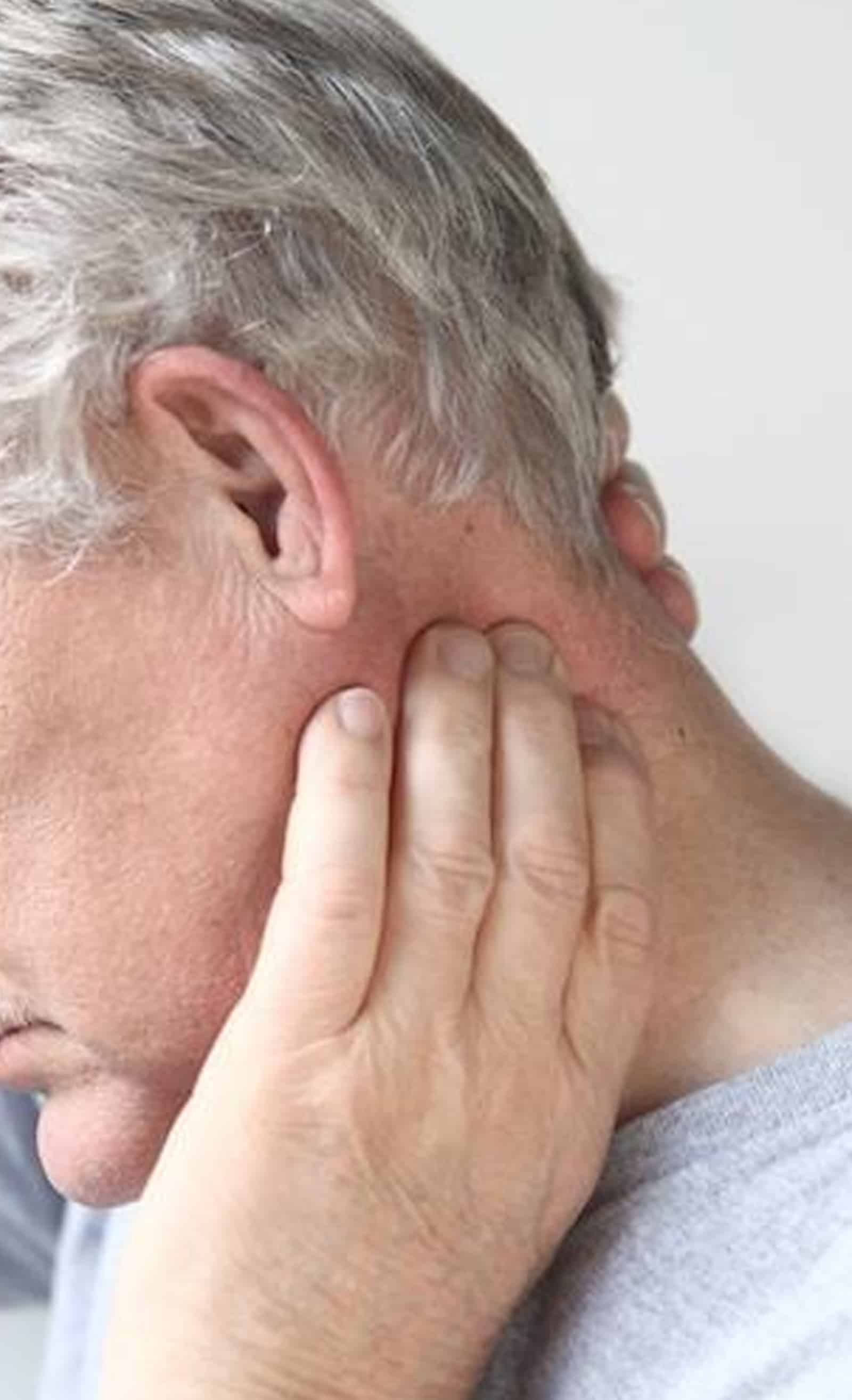
Who May Be a Candidate for Regenerative Therapy?
Eligibility depends on the specific procedure, the diagnosis, and your overall health. Some individuals with selected tendon or joint conditions may be candidates for certain injection-based treatments, while others may benefit more from rehabilitation or conventional medical care.
Factors that may influence suitability include:
- The underlying cause and severity of the condition
- The duration of symptoms and previous treatment outcomes
- The scientific evidence supporting the proposed procedure
- Relevant medical conditions and medications
- The potential benefits, risks, and financial costs
- Your expectations and recovery goals
Be cautious about providers who promise guaranteed outcomes, recommend expensive treatments without a clear diagnosis, or claim that one procedure can treat every type of chronic pain. When a procedure is invasive, costly, or considered experimental, obtaining a second opinion may be worthwhile.
Regenerative Therapy Versus Traditional Pain Management
Regenerative medicine and conventional pain management are not necessarily competing approaches. Each may have a role depending on your diagnosis and treatment goals.
Traditional care may include therapeutic exercise, rehabilitation, activity modification, medication, and other evidence-based interventions. These approaches can improve symptoms and function for many musculoskeletal conditions without requiring injections.
Regenerative procedures focus on selected biological or tissue-directed interventions. Some have encouraging evidence for specific applications, while others require further research.
The most suitable option is not automatically the newest or most expensive treatment. Instead, consider whether the procedure is appropriate for your diagnosis, whether the evidence supports its use, what risks are involved, and whether the expected benefits justify the cost.
For anyone seeking regenerative therapy in Winter Park, informed decision-making begins with an accurate assessment and a clear discussion of all reasonable options.
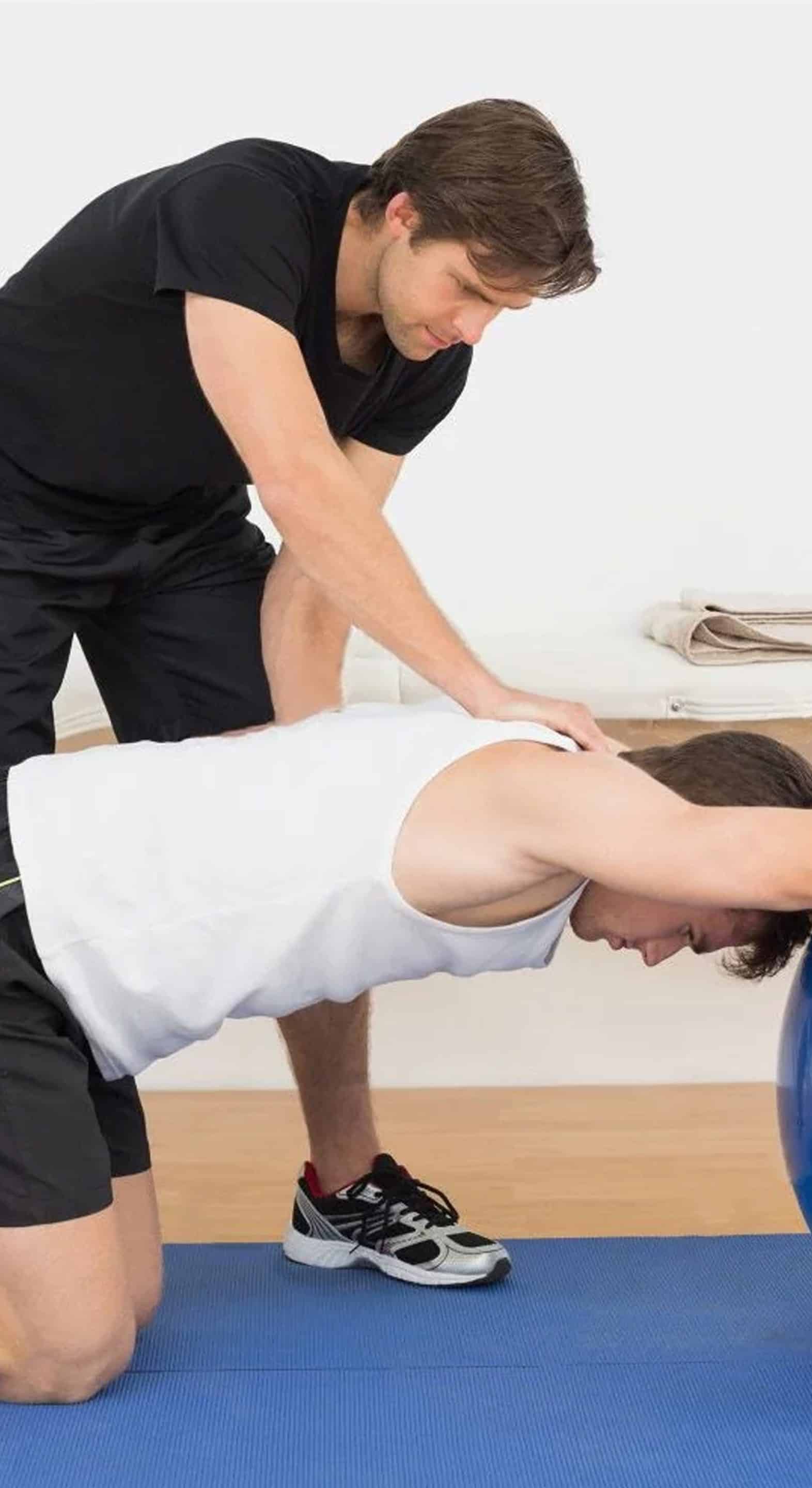
Healthy Habits That Support Recovery and Mobility
Professional treatment is only one part of maintaining musculoskeletal health. Appropriate daily habits can help support physical function and general well-being.
Stay Physically Active
Regular, suitable physical activity helps maintain strength, endurance, balance, and mobility. Walking, swimming, cycling, or other low-impact activities may be appropriate depending on the condition. Adjust activities when they aggravate symptoms, and seek professional guidance before resuming strenuous exercise after a significant injury.
Strengthen Supporting Muscles
Appropriate strengthening exercises can improve physical capacity and help support joints during everyday movement. A healthcare professional can recommend exercises that match your current abilities and recovery stage.
Take Movement Breaks
Prolonged sitting may contribute to stiffness or discomfort for some people. Changing positions regularly, taking short walking breaks, and improving workstation ergonomics may make daily activities more comfortable.
Prioritize Sleep and Recovery
Adequate sleep and sensible activity levels support general health. Gradually increasing exercise intensity and allowing sufficient recovery time can help reduce unnecessary strain.
Follow Professional Recommendations
Avoid relying exclusively on online claims or self-diagnosis. Persistent, worsening, or unexplained symptoms deserve appropriate clinical attention.
These habits can complement a treatment plan, but they cannot guarantee tissue healing or replace medical care when it is needed.
Why Choose Winter Park Chiropractic & Acupuncture Center?
Finding the right provider means choosing a practice that takes your concerns seriously, explains appropriate treatment options, and recognizes when additional medical evaluation is necessary. We offer chiropractic care and acupuncture for individuals seeking support with musculoskeletal discomfort and physical wellness.
A patient-focused approach can help you understand your symptoms, explore appropriate conservative treatment options, and determine whether a referral to another healthcare professional may be beneficial. If you are specifically interested in regenerative medicine, contact us to confirm which services are currently available and whether your condition may require assessment by a clinician who specializes in regenerative procedures.
Understanding the distinction between conservative care and injection-based treatments helps you make informed choices without relying on unrealistic promises. The priority is always individualized care, clear communication, patient safety, and realistic treatment goals.
Take the Next Step Toward Better Mobility in Winter Park
Living with persistent pain or restricted movement can interfere with work, exercise, and the activities you enjoy. Exploring regenerative therapy may help you understand additional treatment possibilities, but the first priority is identifying the cause of your symptoms and determining which options are appropriate.
If you are researching Regenerative Therapy Winter Park, contact us to discuss your concerns, confirm available services, and determine whether a medical or regenerative medicine specialist may be appropriate for your needs.
Frequently Asked Questions
What is regenerative therapy?
Regenerative therapy refers to a range of medical approaches designed to support tissue repair or influence biological healing processes. Examples include platelet-rich plasma therapy and certain other injection-based procedures. The effectiveness and suitability of each treatment depend on the condition being addressed.
What conditions can regenerative therapy treat?
Certain regenerative procedures have been studied for selected tendon injuries, joint conditions, and musculoskeletal problems. However, evidence varies by treatment and diagnosis. A qualified healthcare professional can determine whether a particular procedure is appropriate for your condition.
Is regenerative therapy available in Winter Park?
Availability depends on the provider and the specific procedure. We offer chiropractic care and acupuncture. Contact us directly to confirm whether a particular regenerative procedure is available or whether a referral to a qualified medical specialist is needed.
How does platelet-rich plasma therapy work?
PRP therapy involves collecting a sample of the patient's blood, processing it to concentrate platelets, and administering the preparation for a specific clinical purpose. The treatment has been studied for selected musculoskeletal conditions, but results vary and it is not effective for every diagnosis.
Is regenerative therapy better than traditional treatment?
Not necessarily. The best treatment depends on the diagnosis, available evidence, potential risks, and your individual needs. Exercise-based rehabilitation, medication, activity modification, and other conventional approaches may be more appropriate than regenerative procedures for many conditions.
How long does it take to see results from regenerative therapy?
The timeline varies depending on the procedure, condition, and individual response. Some patients may notice changes over several weeks or months, while others may experience limited improvement. Your treating clinician should explain the expected timeline for the specific procedure being considered.
Is regenerative therapy safe?
Safety depends on the procedure, the materials used, the provider's qualifications, and your health. Possible complications may include pain, swelling, bleeding, infection, or other procedure-specific risks. Discuss your medical history, medications, and potential complications with a qualified clinician before proceeding.
Can regenerative therapy help with knee or joint pain?
Some procedures, including PRP, have been studied for selected joint conditions such as knee osteoarthritis. Certain patients may experience symptom improvement, but outcomes vary, and these treatments cannot be guaranteed to restore damaged cartilage or reverse arthritis.
Can chiropractic care and acupuncture complement regenerative therapy?
Depending on the diagnosis, chiropractic care or acupuncture may be considered as part of a broader musculoskeletal management plan. These treatments serve different purposes from regenerative injections. A coordinated plan should account for your condition, treatment goals, and any relevant medical precautions.
How can I get started with regenerative therapy in Winter Park?
Start by arranging an assessment with an appropriately qualified healthcare professional. Discuss your symptoms, previous treatments, medical history, and goals. Contact us to learn about our chiropractic and acupuncture services and ask whether further evaluation or referral for regenerative medicine would be appropriate.