

DUI Accident Chiropractor
DUI Accident Chiropractor Winter Park: Personalized Care After a Drunk Driving Accident
A motor vehicle accident can leave lasting physical and emotional effects, particularly when the collision involves a driver under the influence of alcohol or drugs. Even when injuries are not immediately apparent, the sudden force of impact can affect the neck, back, shoulders, muscles, joints, and surrounding soft tissues. Seeking an appropriate medical evaluation after a collision is an important step toward identifying injuries and developing a recovery plan.
If you have been involved in an impaired-driving collision, finding a DUI Accident Chiropractor Winter Park residents can turn to for injury-focused care may be an important part of your recovery journey. At Winter Park Chiropractic & Acupuncture Center, patients can explore chiropractic care and complementary services based on their individual symptoms, examination findings, and treatment needs.
BOOK AN APPOINTMENT
with the Best Chiropractor in Winter Park , Florida
Understanding the potential effects of a DUI-related accident, recognizing warning signs, and knowing when to seek professional care can help you make informed decisions about your health.

Understanding DUI Accident Injuries and Their Physical Impact
Driving under the influence can significantly increase the danger of a road collision. Impaired judgment, delayed reaction times, and reduced coordination can contribute to serious crashes that affect drivers, passengers, cyclists, and pedestrians.
The physical consequences of these accidents vary according to the speed and direction of impact, vehicle damage, body position, seat belt use, and other circumstances. Some people experience immediate pain, while others notice stiffness, headaches, or reduced mobility hours or days later.
Common injuries associated with motor vehicle collisions include:
- Whiplash: Rapid forward-and-backward neck movement can strain muscles, ligaments, and other soft tissues.
- Back injuries: The force of a collision may aggravate existing back problems or contribute to new muscle and joint pain.
- Shoulder injuries: Seat belts, bracing movements, and impact forces can place stress on the shoulder region.
- Muscle strains: Sudden movements can overstretch soft tissues, leading to tenderness, tightness, and discomfort.
- Joint stiffness: Injuries may limit comfortable movement and interfere with ordinary activities.
- Headaches: Neck strain and other injuries may contribute to headaches, although headaches following a crash can also signal more serious conditions requiring medical assessment.
Not every injury can be treated with chiropractic care alone. Fractures, internal injuries, head trauma, and certain spinal injuries require appropriate medical evaluation and treatment. Identifying the nature of an injury is therefore essential before beginning rehabilitation.
Why Choose a DUI Accident Chiropractor in Winter Park?
Recovering after a DUI-related collision can be complicated. In addition to managing physical symptoms, injured individuals may need to coordinate medical appointments, arrange transportation, manage work responsibilities, and communicate with insurance providers.
A chiropractor experienced in evaluating motor vehicle accident-related musculoskeletal complaints can help assess appropriate conservative care options when the injuries fall within the scope of chiropractic practice.
At Winter Park Chiropractic & Acupuncture Center, patients can discuss their symptoms, functional limitations, and recovery goals to determine whether chiropractic services are appropriate for their situation.
Individualized Injury Assessment
Every collision is different, and two people involved in the same accident may experience different symptoms. A personalized evaluation considers the patient's medical history, pain location, movement limitations, and other relevant factors.
The assessment may include a review of the accident circumstances, an examination of posture and range of motion, and appropriate orthopedic or neurological screening. When findings suggest a potentially serious injury, referral for medical assessment or diagnostic imaging may be necessary.
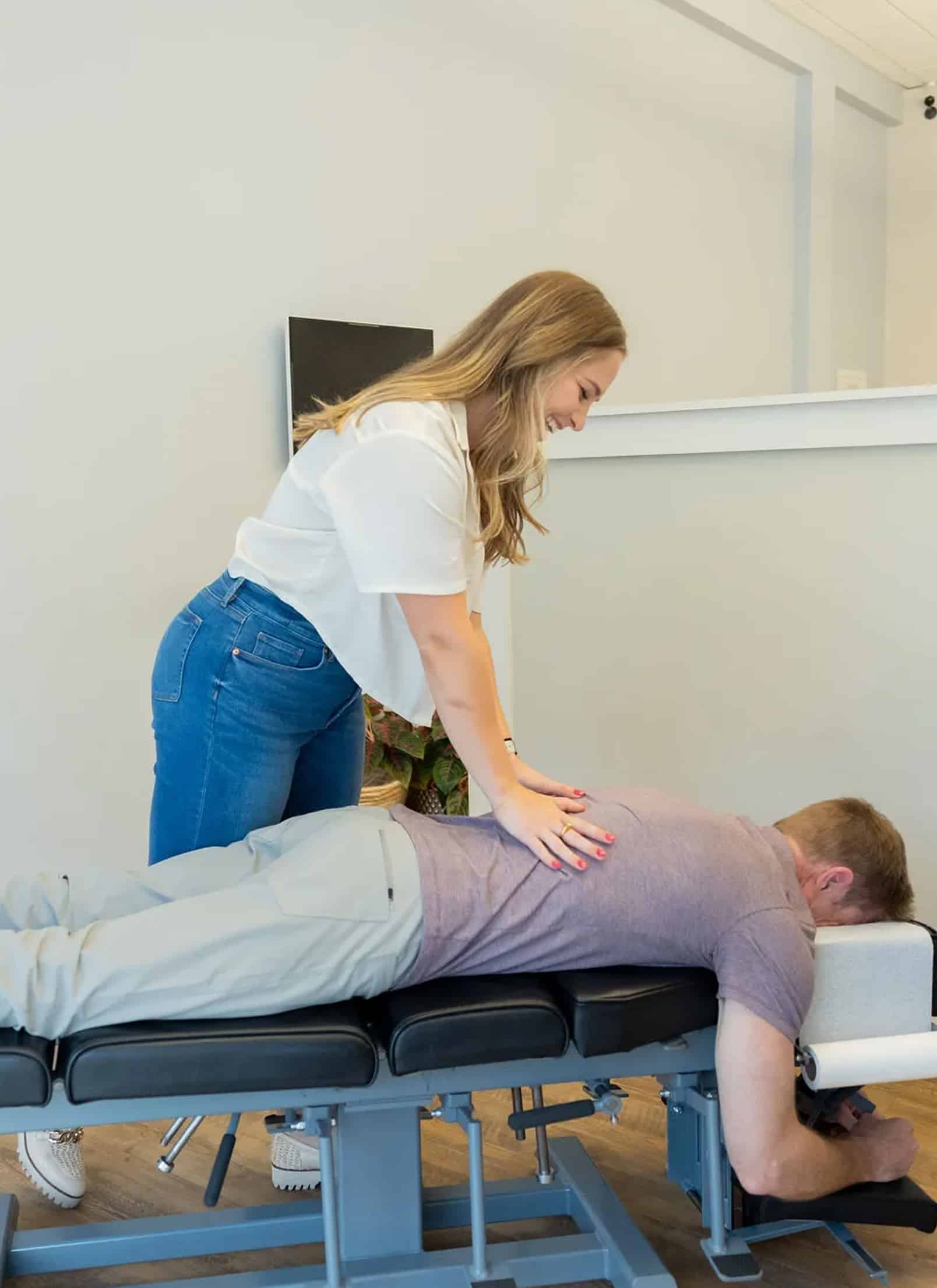
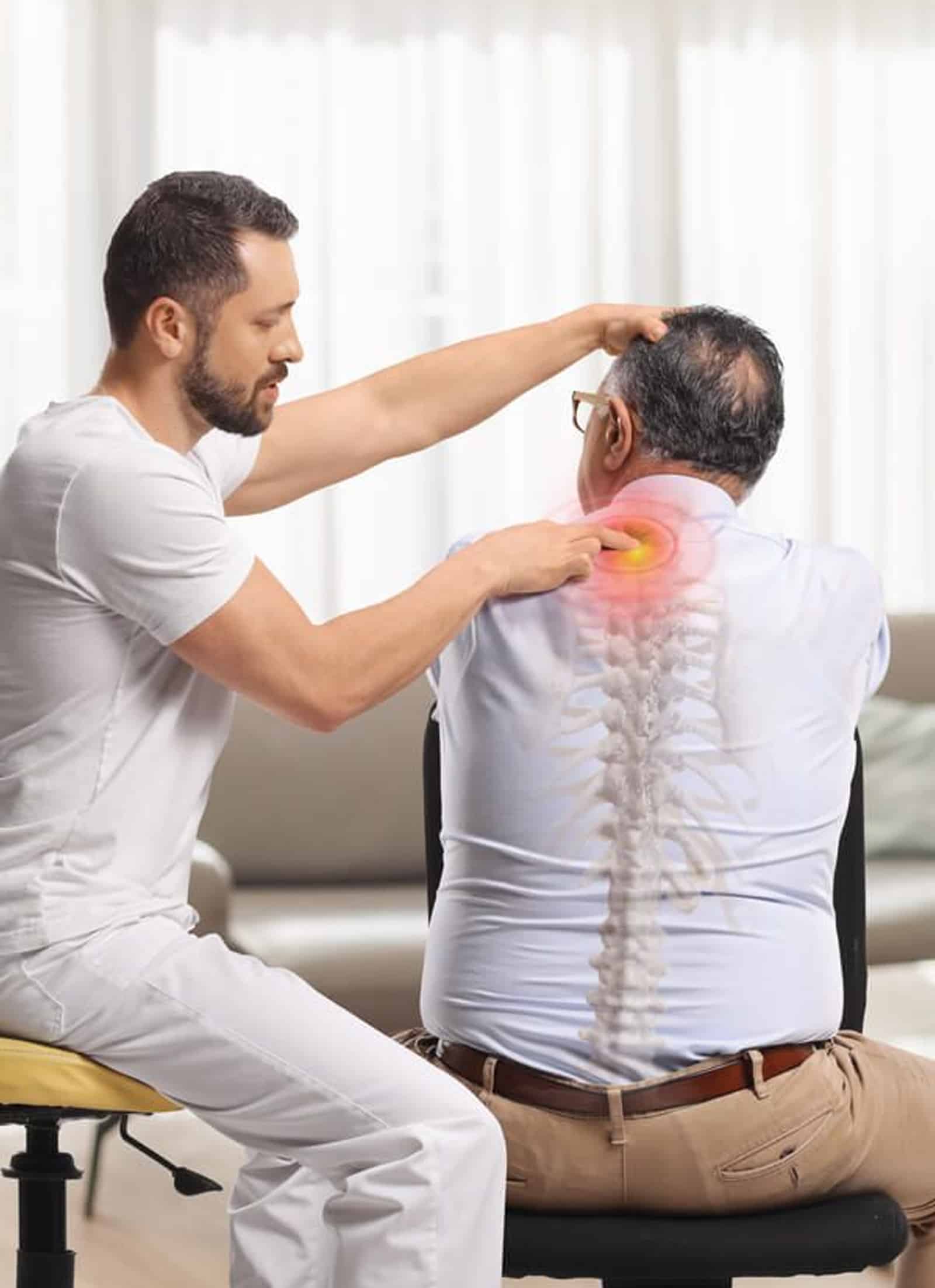
A Conservative Approach to Musculoskeletal Pain
Depending on the diagnosis and clinical findings, conservative treatment may help address certain types of neck pain, back discomfort, muscle tension, and movement restrictions.
The purpose of care is to support function and symptom management rather than to promise a particular outcome. Treatment recommendations should be based on the individual's condition, response to care, and overall health needs.
Support for Everyday Activities
Pain after an accident can make driving, working at a desk, sleeping comfortably, lifting objects, or participating in recreational activities more difficult.
An appropriate recovery plan may focus on improving comfortable movement, restoring functional mobility, and helping patients gradually resume suitable daily activities. Progress should be monitored, and treatment should be adjusted when symptoms change.
Common Symptoms After a DUI-Related Car Accident
Recognizing possible injury symptoms is important because not all collision-related problems appear immediately. Adrenaline and the stress of an accident can sometimes make discomfort less noticeable during the initial hours.
If you have been involved in a DUI-related collision, monitor your condition and seek medical attention when needed.
Neck Pain and Whiplash
Whiplash can occur when the neck moves suddenly during a rear-end, side-impact, or other collision. Symptoms may include neck stiffness, tenderness, reduced range of motion, and discomfort when turning the head.
Some people also report headaches or shoulder discomfort. However, neck pain after a crash should not automatically be assumed to be whiplash. A healthcare professional should evaluate symptoms to rule out more serious injuries.
Lower Back Pain
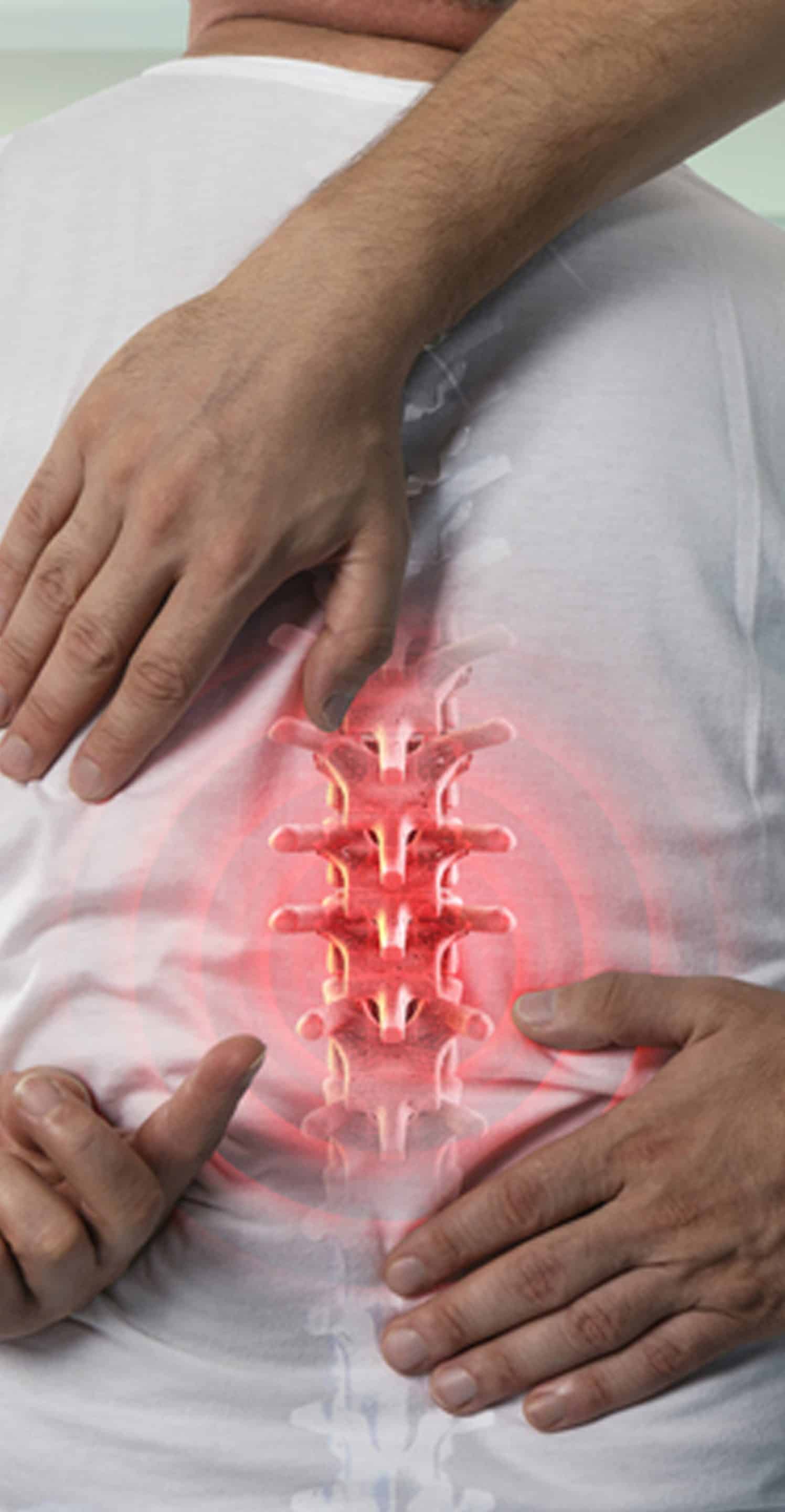
The impact of a collision can strain the muscles and other structures supporting the lower back. Patients may experience aching, stiffness, pain when bending, or discomfort during prolonged sitting or standing.
A thorough evaluation can help determine whether conservative care is appropriate or whether further medical investigation is needed. New weakness, significant numbness, or changes in bladder or bowel control require emergency assessment.


Shoulder and Upper Back Discomfort
Shoulder and upper back symptoms can develop when the body is suddenly restrained or thrown during impact. Muscle tenderness and restricted movement may interfere with reaching, lifting, sleeping, and other routine tasks.
Treatment depends on the underlying injury. Persistent pain, substantial weakness, deformity, or an inability to move the arm warrants prompt medical evaluation.
Headaches and Dizziness
Headaches and dizziness following a collision deserve careful attention. They may be associated with neck injuries, concussion, or other conditions that cannot be reliably distinguished through symptoms alone.
A suspected head injury should be assessed by a qualified medical professional. Severe or worsening headaches, repeated vomiting, confusion, fainting, seizures, unusual drowsiness, or new neurological symptoms require emergency care.
How Chiropractic Care May Support Accident Recovery
Chiropractic care focuses on the assessment and management of certain musculoskeletal conditions. Following a motor vehicle accident, treatment may be considered when a qualified practitioner determines that it is appropriate for the injury.
The best approach depends on the diagnosis, the severity of symptoms, the patient's medical history, and whether any contraindications are present.
Chiropractic Evaluation and Treatment Planning
A careful evaluation helps establish which symptoms may be suitable for conservative care and which require additional medical investigation.
Based on the findings, a chiropractor may recommend a treatment plan that includes appropriate manual techniques, mobility exercises, activity guidance, or other conservative interventions. High-velocity spinal manipulation is not appropriate for every injury and should not be performed when serious trauma or contraindications have not been adequately assessed.


Improving Mobility and Managing Stiffness
Muscle tension and restricted movement can interfere with everyday activities after an accident. Depending on the injury, a rehabilitation plan may incorporate gentle mobility work, stretching, or therapeutic exercises.
These interventions should be introduced gradually and modified according to the patient's tolerance. The goal is to support safe functional recovery without aggravating an unrecognized or unstable injury.
Addressing Back and Neck Discomfort
Some people experience persistent neck or back discomfort following a collision. After serious injuries have been ruled out, conservative care may help certain patients manage musculoskeletal pain and improve function.
Treatment should be reviewed regularly to determine whether symptoms and mobility are improving. If pain worsens, new symptoms develop, or expected progress does not occur, further medical evaluation may be appropriate.
Complementary Acupuncture Services
Acupuncture may be considered as a complementary option for some musculoskeletal pain conditions, depending on the patient's diagnosis, preferences, and overall care plan.
At Winter Park Chiropractic & Acupuncture Center, patients can ask whether acupuncture may be appropriate alongside other recommended treatments. It should not replace emergency evaluation, necessary medical treatment, or indicated rehabilitation.
What to Expect During Your First Chiropractic Visit
Knowing what happens during an initial appointment can make the recovery process feel more manageable. Although the exact process varies according to the patient's condition, a structured evaluation generally begins with a discussion of symptoms and medical history.
1. Discussing the Accident and Your Symptoms
The practitioner may ask when the collision occurred, how the symptoms began, which areas are painful, and whether discomfort has changed over time. Relevant medical conditions, previous injuries, medications, and any emergency department evaluations should also be discussed.
Bring any available discharge instructions or relevant medical records to help the practitioner understand the care you have already received.
2. Reviewing Physical Function
When appropriate, the evaluation may include checking posture, movement, range of motion, and selected neurological or orthopedic findings. The assessment should be adapted to the patient's condition, especially when the accident involved a substantial impact.
If the examination raises concern about a fracture, spinal instability, head injury, or another serious condition, chiropractic treatment should be deferred until the appropriate medical assessment has occurred.


3. Developing an Appropriate Care Plan
After evaluating the available information, the practitioner can discuss whether chiropractic care is suitable, which interventions may be considered, and whether a referral is needed.
A care plan should explain the intended goals, potential risks, alternatives, and circumstances in which treatment should be stopped or reassessed. There is no single treatment schedule that is appropriate for every accident victim.
4. Monitoring Progress
Follow-up assessments can help determine whether pain, mobility, and daily function are changing. Patients should communicate any new symptoms and ask questions if they do not understand a recommendation.
The treatment plan should evolve according to clinical findings and the patient's progress rather than relying on a predetermined number of visits.
Why Early Medical Evaluation Matters After a DUI Accident
Seeking prompt medical attention after a collision can help identify injuries that are not immediately obvious. This is particularly important when the impact was severe, a person struck their head, or the circumstances of the crash are unclear.
Emergency services should be contacted when serious injuries are suspected. Warning signs include loss of consciousness, confusion, difficulty breathing, severe bleeding, chest or abdominal pain, significant neck or spinal pain, new weakness, or other rapidly worsening symptoms.
Do not drive yourself to an appointment if you may have a serious injury, feel faint, are confused, or may be impaired by alcohol, medication, or another substance. Arrange appropriate assistance.
Once urgent conditions have been addressed, a chiropractor or other rehabilitation professional may help determine suitable next steps for musculoskeletal recovery. Chiropractic care should complement, not delay or replace, necessary medical treatment.
Navigating Insurance and Documentation After a DUI Accident
A DUI-related collision can create practical and financial concerns alongside physical discomfort. Insurance coverage, liability, and compensation depend on the circumstances of the crash, the applicable policy, and Florida law.
Keeping organized records can make it easier to communicate with healthcare providers and insurers.
Consider maintaining copies of:
- Accident reports and available claim information.
- Emergency department records and other medical evaluations.
- Treatment recommendations and appointment records.
- Receipts and invoices for accident-related expenses.
- Notes describing symptoms, activity limitations, and changes over time.
- Relevant correspondence with insurance representatives.
Accurate documentation can help establish a clear record of your care. It does not guarantee that an insurer will approve a particular service or pay a claim.
Before beginning treatment, ask the provider about fees, payment arrangements, documentation requirements, and whether the office can provide the records needed for your claim. Insurance coverage should be confirmed directly with the relevant insurer.
If fault, coverage, or compensation is disputed, consider consulting a qualified Florida attorney. A healthcare provider can explain clinical findings and treatment recommendations but cannot determine legal liability merely by examining an injury.

Choosing Winter Park Chiropractic & Acupuncture Center for Accident-Related Care
Choosing a provider after an accident involves more than finding an appointment. Patients should look for clear communication, an appropriate clinical evaluation, individualized recommendations, and a willingness to coordinate care when additional medical services are needed.
Winter Park Chiropractic & Acupuncture Center offers chiropractic and acupuncture services that patients may wish to discuss as part of a suitable musculoskeletal care plan.
When contacting the office, explain that your symptoms followed a motor vehicle collision and describe any medical evaluation you have already received. Ask whether the practice can assess your particular concerns, what information you should bring, and whether any additional medical clearance is needed before treatment.
A responsible approach to accident recovery prioritizes patient safety, realistic expectations, and communication between relevant healthcare professionals. No treatment can guarantee complete recovery, and the appropriate course of care depends on the nature and severity of the injuries.
Take the Next Step Toward Recovery in Winter Park
The aftermath of a DUI-related collision can be physically uncomfortable and emotionally demanding. Neck pain, back discomfort, muscle stiffness, and movement limitations may interfere with work, family responsibilities, and ordinary routines. Finding a DUI Accident Chiropractor Winter Park patients can consult for appropriate musculoskeletal care may help you explore treatment options once urgent injuries have been evaluated.
Winter Park Chiropractic & Acupuncture Center can be a point of contact for learning about its chiropractic and acupuncture services and determining whether an appointment is appropriate for your needs.
Do not ignore worsening pain or assume that every post-accident symptom is a minor strain. Seek emergency care for serious warning signs, follow your medical provider's recommendations, and choose conservative treatment only when it is clinically appropriate.
With careful evaluation, a personalized plan, and appropriate follow-up, you can take informed steps toward managing accident-related symptoms and restoring everyday function.
Frequently Asked Questions
When should I see a DUI accident chiropractor in Winter Park?
Consider consulting a chiropractor after receiving appropriate medical evaluation and when your symptoms may be suitable for conservative musculoskeletal care. Seek emergency attention first if you have severe pain, suspected head or spinal trauma, difficulty breathing, confusion, weakness, or other serious symptoms.
Can a chiropractor help with whiplash after a DUI accident?
A chiropractor may help manage certain whiplash-associated musculoskeletal symptoms after serious injuries have been ruled out. Treatment depends on the examination findings and may involve suitable conservative techniques or exercises. Not every neck injury is appropriate for spinal manipulation.
What symptoms can appear days after a DUI-related collision?
Neck stiffness, back discomfort, muscle soreness, and headaches may become noticeable after the initial impact. However, delayed symptoms should not automatically be considered harmless. Seek medical assessment if symptoms develop, persist, or worsen, and obtain emergency care for serious warning signs.
Do I need to visit a doctor before seeing a chiropractor after a DUI accident?
A medical evaluation is especially important after a severe collision, suspected head injury, significant neck or back trauma, or any concerning symptoms. A chiropractor should refer patients for further assessment when findings suggest an injury outside the scope of chiropractic treatment.
Can chiropractic care help with back pain after a DUI accident?
Depending on the diagnosis, chiropractic care and other conservative approaches may help some patients manage accident-related back pain and improve movement. Fractures, significant neurological problems, and other serious injuries require appropriate medical management.
Does Winter Park Chiropractic & Acupuncture Center offer acupuncture for accident-related pain?
The practice offers acupuncture services. Whether acupuncture is suitable for your particular accident-related symptoms should be discussed with the provider after an appropriate evaluation. Acupuncture is a complementary option and does not replace necessary medical treatment.
How many chiropractic appointments will I need after a DUI accident?
The number of appointments depends on the injury, symptom severity, overall health, and response to treatment. A responsible provider should explain the proposed plan, monitor progress, and adjust recommendations as needed rather than promising a fixed recovery timeline.
Will insurance cover chiropractic treatment after a DUI accident in Florida?
Coverage depends on the applicable insurance policy, accident circumstances, documentation, and Florida requirements. Contact your insurer and the provider's office to verify benefits, eligibility, payment responsibilities, and any applicable authorization requirements before beginning care.
What should I bring to my first accident-related chiropractic appointment?
Bring identification, relevant medical records, emergency department discharge instructions, a list of medications, and available accident or insurance claim information. These documents can help the provider understand your medical history and coordinate appropriate care.
How do I schedule an appointment with a DUI accident chiropractor in Winter Park?
Contact Winter Park Chiropractic & Acupuncture Center through its official website to ask about appointment availability, accident-related evaluations, services, and payment policies. Explain your symptoms and any prior medical assessment when scheduling. If you have emergency warning signs, seek urgent medical care rather than waiting for a chiropractic appointment.