Cupping Therapy Winter Park
Cupping Therapy Winter Park: A Modern Approach to Pain Relief and Wellness
Living with persistent muscle tension, stiffness, soreness, or discomfort can affect nearly every part of your day. Whether your symptoms are related to exercise, repetitive movements, poor posture, physical strain, an old injury, or everyday stress, finding an effective approach to care can help you get back to the activities you enjoy. At Winter Park Chiropractic & Acupuncture Center, patients can explore a comprehensive approach to wellness that includes chiropractic care, acupuncture, and Chinese cupping. For individuals searching for Cupping Therapy Winter Park, this traditional technique may offer complementary support for muscle tension, discomfort, relaxation, and mobility when incorporated into an individualized treatment plan.
Cupping has been practiced for centuries in traditional medicine. Today, it continues to be used as a complementary therapy by practitioners who incorporate it into broader strategies for musculoskeletal care and wellness.
BOOK AN APPOINTMENT
with the Best Chiropractor in Winter Park , Florida
Understanding Cupping Therapy and Its Purpose
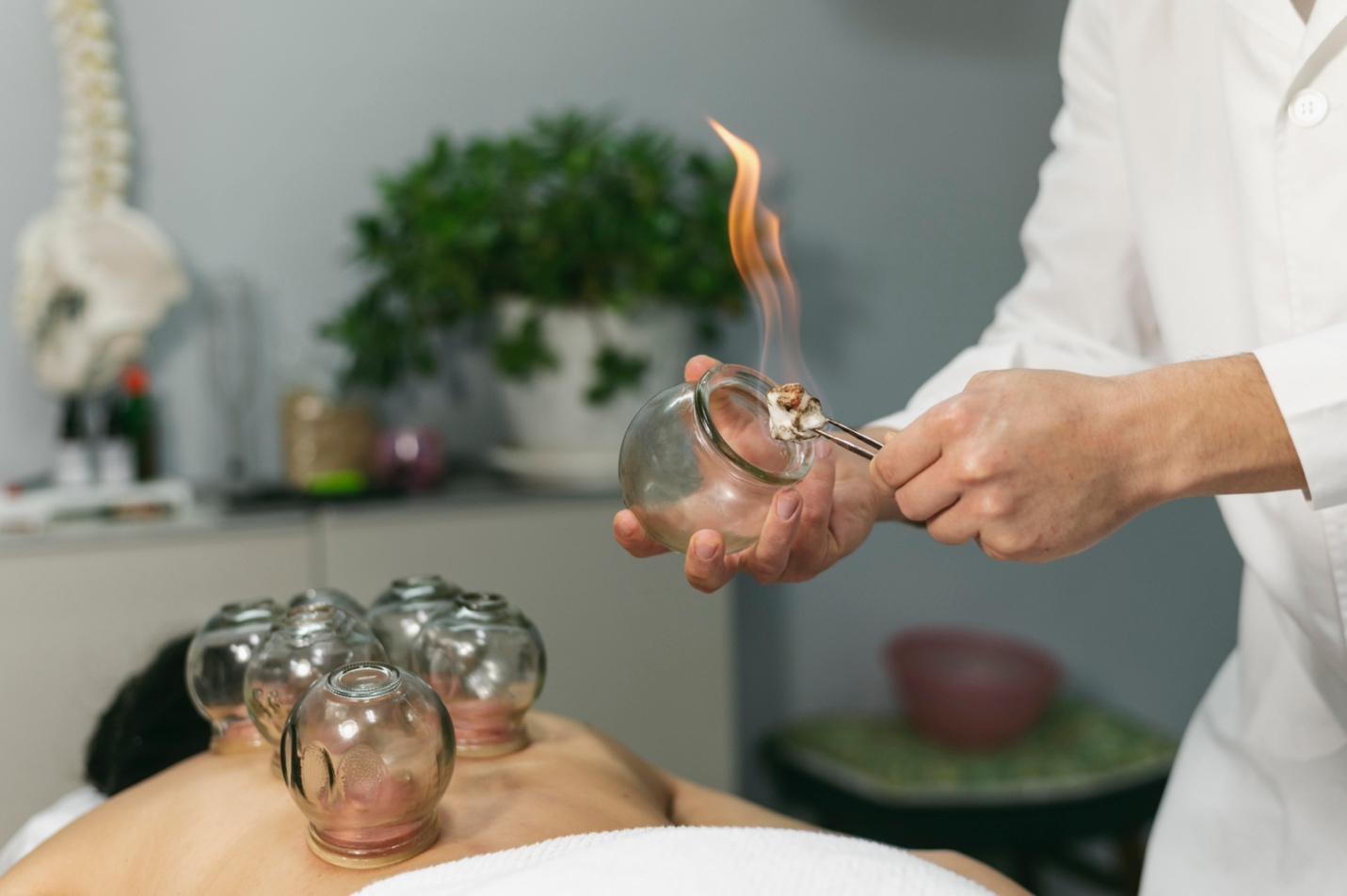
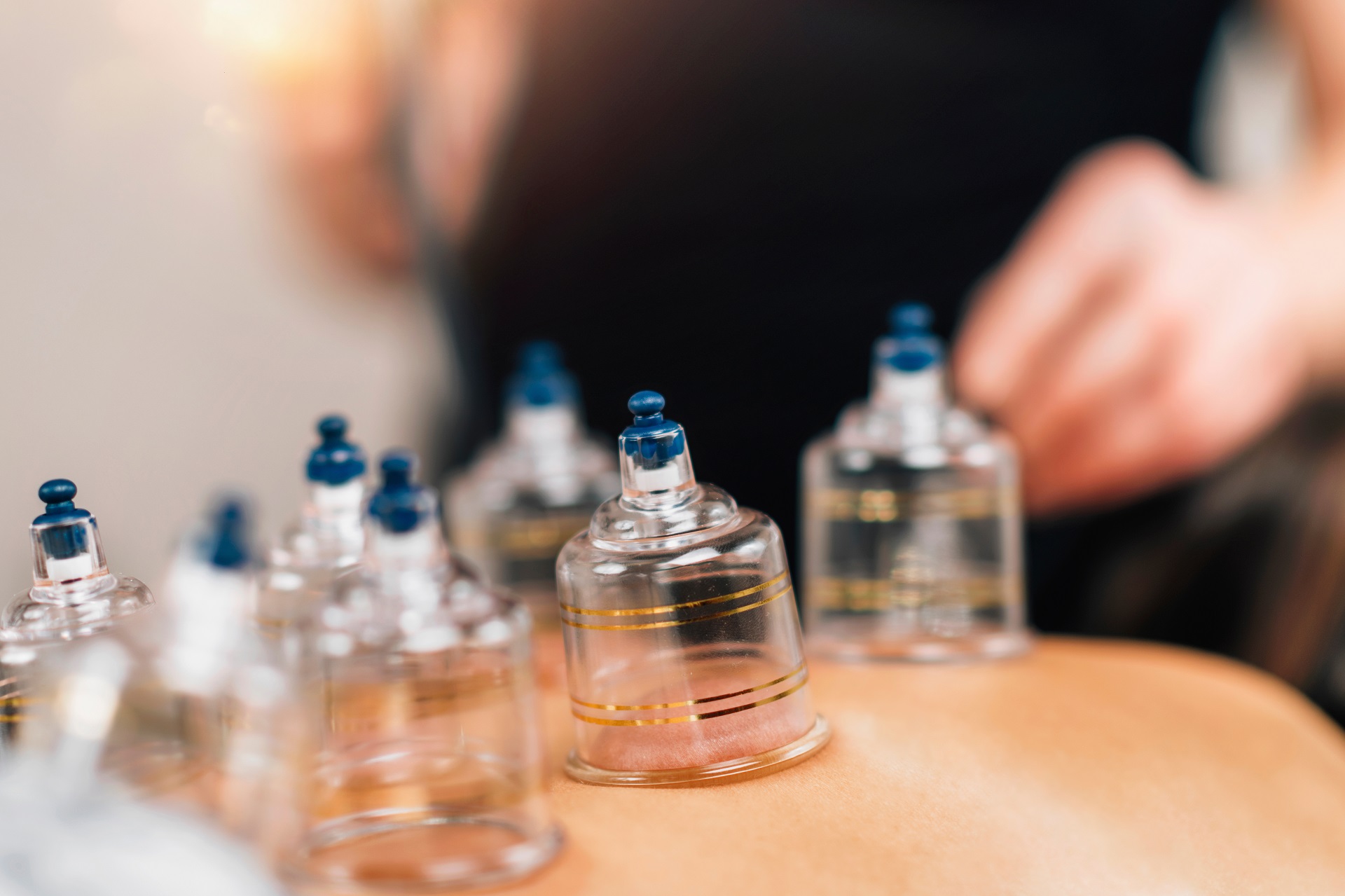
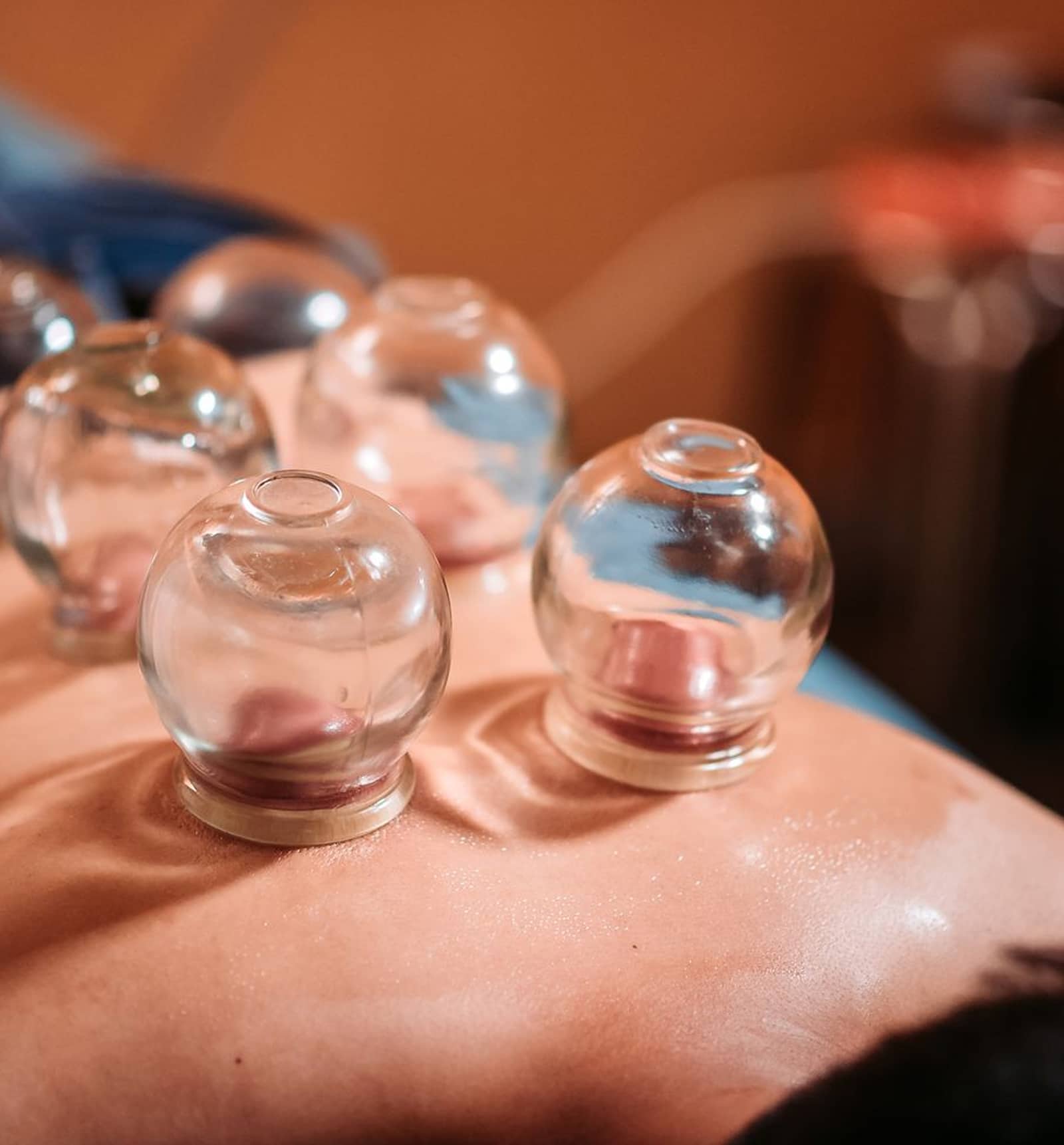
Cupping therapy is a non-invasive technique that uses specially designed cups to create controlled suction on the skin. Depending on the technique used, cups may remain stationary over targeted areas or be gently moved across the skin. The suction creates a lifting sensation that affects the skin and superficial tissues. Patients often describe the experience as a feeling of pressure, pulling, or tightness rather than sharp pain.
At Winter Park Chiropractic & Acupuncture Center, Chinese cupping is offered as part of a personalized approach to care. The technique may be used alongside other services when appropriate for the patient's specific needs and goals. Rather than viewing cupping as a standalone solution for every type of discomfort, it can be considered one component of a broader wellness and pain-management strategy.
How Does Cupping Therapy Work?
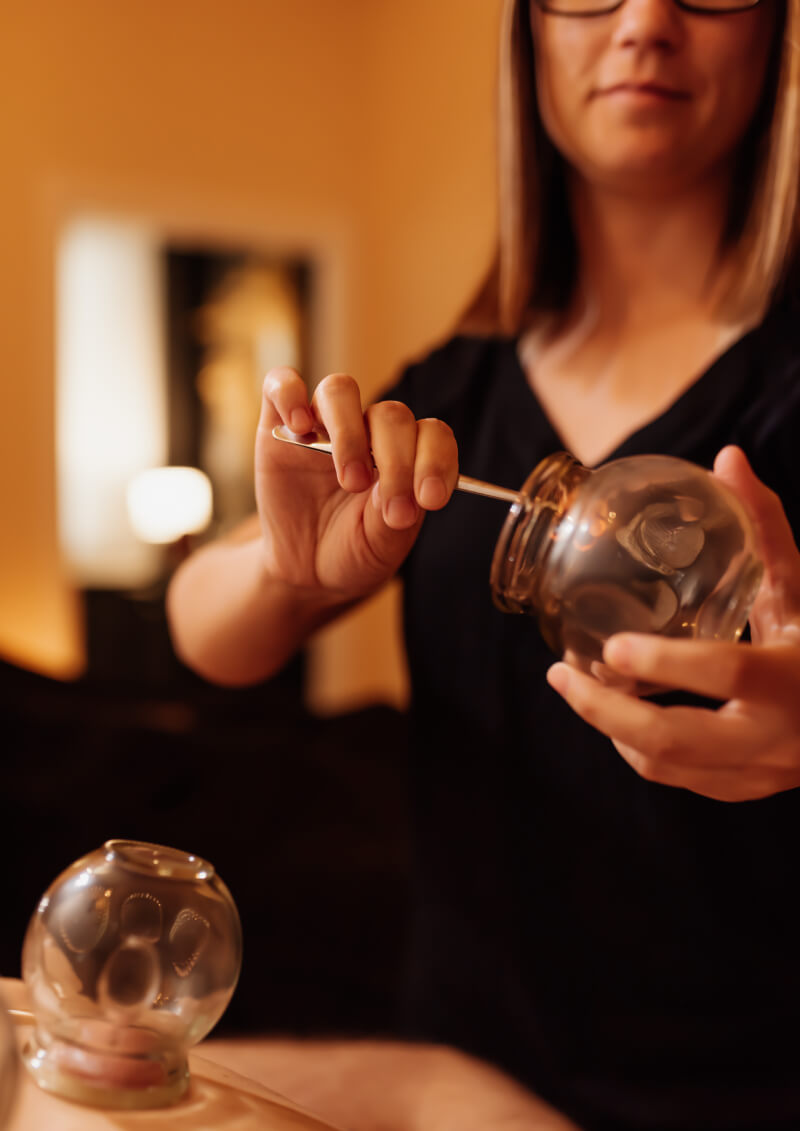
During a cupping session, cups are carefully positioned over selected areas of the body. Suction is then created inside the cups, gently drawing the skin upward. This process may produce several sensations, including pressure, pulling, warmth, or tightness. The treatment is generally focused on areas where muscular tension or discomfort is present. Cupping is often associated with traditional concepts surrounding circulation and energy flow. From a modern perspective, practitioners may incorporate it as a complementary soft-tissue technique intended to support relaxation and muscular comfort.
The appropriate technique, placement, and intensity can vary from person to person. This is why a personalized assessment is an important part of responsible care.
Potential Benefits of Cupping Therapy in Winter Park
People consider Cupping Therapy Winter Park for many different reasons. While individual responses vary, cupping may provide complementary support for certain types of muscular discomfort and tension.
Helps Address Muscle Tension
Muscle tightness can develop after exercise, prolonged sitting, repetitive activity, physical labor, or stress. When muscles remain tense, movement can become uncomfortable and restricted.
Cupping may be incorporated into a treatment plan to target areas of muscular tension and promote a greater sense of relaxation and comfort.
May Support Pain Management
Managing discomfort often requires a personalized approach. Depending on the cause of symptoms, treatment may involve chiropractic care, therapeutic movement, acupuncture, lifestyle changes, or other complementary approaches. Cupping may be included as one component of that strategy for individuals who are appropriate candidates.
Encourages Relaxation
Many patients find cupping to be a relaxing experience. The controlled suction and focused treatment can provide an opportunity to release physical tension and unwind.
For individuals who frequently experience tension in the shoulders, upper back, or other areas, incorporating complementary therapies into a wellness routine may be beneficial.
Supports Comfortable Movement
Muscle tightness can interfere with flexibility and everyday movement. By addressing areas of soft-tissue tension, cupping may complement other treatments designed to support mobility and physical comfort. Improved movement can be particularly important for people who exercise regularly or whose daily routines place repeated demands on specific muscle groups.
Complements Other Treatments
One of the key advantages of an integrative approach is that different therapies can address different aspects of a patient's concerns. Cupping may be combined with chiropractic care, acupuncture, corrective exercises, stretching, or other appropriate approaches depending on the individual's condition and goals.
Curious whether cupping fits your care plan? Ask our team.

Cupping Therapy for Athletes and Active Individuals
An active lifestyle can place considerable demands on the muscles and joints. Training sessions, sports, repetitive movements, and physically demanding activities can all contribute to temporary soreness and muscular tension. For active individuals, Cupping Therapy Winter Park may be considered as part of a broader recovery strategy.
Rather than relying on a single treatment, an individualized plan can combine appropriate therapies with mobility work, strengthening, stretching, hydration, rest, and other recovery strategies. Cupping may be particularly appealing to individuals who are looking for a complementary approach to managing muscle tension while maintaining an active lifestyle. However, persistent or significant pain should always be evaluated appropriately rather than assumed to be ordinary post-exercise soreness.
Combining Cupping With Chiropractic Care
Chiropractic care and cupping therapy focus on different aspects of musculoskeletal wellness, making them potentially complementary when appropriately recommended. Chiropractic treatment may focus on spinal function, joint mobility, movement patterns, and musculoskeletal concerns. Cupping may be incorporated to address areas of muscular tension or soft-tissue discomfort. For example, someone experiencing back discomfort alongside significant muscular tightness may benefit from an individualized evaluation to determine which combination of treatments may best support their goals.
At Winter Park Chiropractic & Acupuncture Center, patients have access to chiropractic care, acupuncture, and Chinese cupping, allowing treatment plans to be tailored to individual circumstances. The objective is not simply to provide a treatment but to develop an approach that addresses the patient's overall needs.


What Happens During a Cupping Therapy Session?
If you have never experienced cupping before, understanding the process can make your first appointment more comfortable. Your practitioner will first discuss your symptoms, concerns, health history, activity level, and treatment goals. This information helps determine whether cupping is an appropriate option. If cupping is recommended, cups are placed over selected areas of the body. Suction is then created within the cups.
You may notice a pulling or pressure sensation as the cups create suction. Treatment intensity can be adjusted according to the technique being used and your individual comfort. After the cups are removed, temporary circular marks may remain on the skin. These marks are a common effect of cupping and typically fade gradually. Your practitioner can explain what you should expect before treatment and answer questions about aftercare.
Why Does Cupping Leave Circular Marks?
The distinctive circular marks associated with cupping are one of its most recognizable characteristics. They occur because suction pulls the skin and superficial tissues upward into the cup. The appearance of the marks can vary depending on the suction level, treatment duration, location, and individual skin response.
These marks are generally temporary. However, cupping can have potential side effects, particularly when performed improperly. For this reason, selecting an experienced practitioner and discussing your health history beforehand is important. Cupping should always be performed using appropriate techniques and hygienic practices.
Is Cupping Therapy Safe?
Cupping is generally considered a complementary therapy, but it is not suitable for every person or every condition. Possible side effects can include temporary skin discoloration, soreness, burns, scarring, or infection. The potential risks can also vary depending on whether dry or wet cupping techniques are used. Patients should discuss relevant health conditions, medications, skin concerns, pregnancy, and other factors with their healthcare provider before beginning treatment.
Professional assessment helps ensure that complementary therapies are used appropriately and as part of a responsible approach to care.
Who May Benefit From Cupping Therapy?
Cupping may be considered for individuals experiencing certain forms of muscular tension, soreness, or discomfort. It may also appeal to people seeking complementary approaches to relaxation and physical recovery. Depending on individual circumstances, people who explore cupping may include those experiencing:
- Muscle tightness
- Neck and shoulder tension
- Back discomfort
- Exercise-related soreness
- Physical strain
- Certain mobility concerns
- Stress-related muscular tension
- Recovery-related muscle discomfort
However, having one of these concerns does not automatically mean cupping is the appropriate treatment. A professional evaluation can help determine whether cupping fits your specific needs.
Curious whether cupping fits your care plan? Ask our team.
Cupping Therapy for Back and Neck Discomfort
Neck and back discomfort can interfere with work, exercise, sleep, and everyday activities. Muscular tension may contribute to these symptoms, particularly when combined with prolonged sitting, repetitive movements, poor posture, or physical strain. Cupping may be incorporated into a broader treatment strategy when soft-tissue tension is contributing to discomfort.
It is important to understand that cupping is not intended to diagnose or correct every cause of back or neck pain. Persistent, severe, or unexplained symptoms may require appropriate medical evaluation. When cupping is suitable, it can be used as a complementary component alongside other therapies designed to improve comfort and movement.

Cupping and Acupuncture: A Complementary Combination
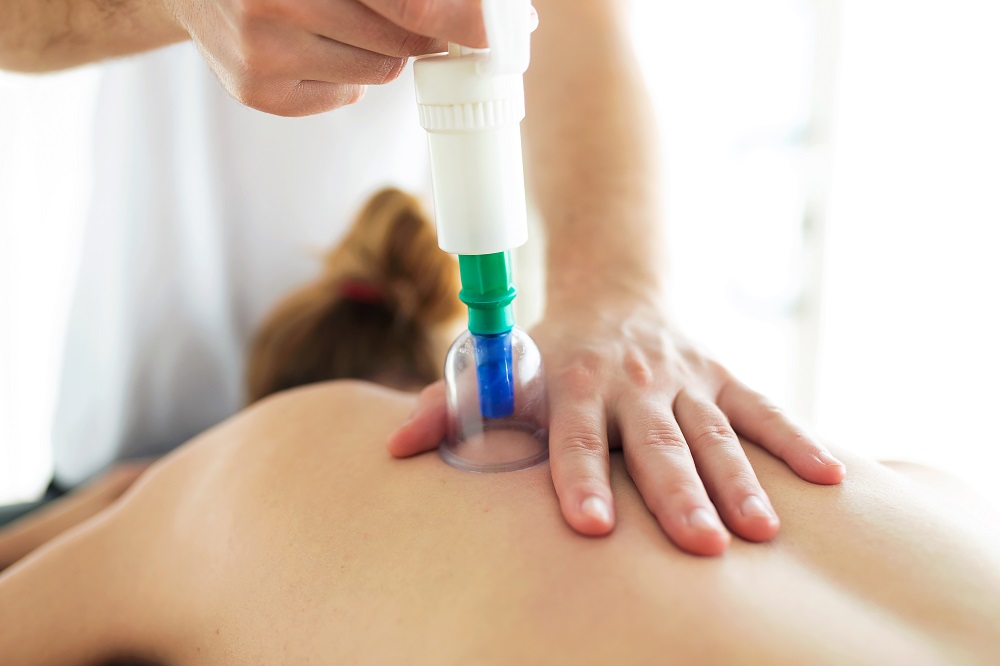
Cupping and acupuncture have long been used together in traditional Chinese medicine. Both may be incorporated into an integrative wellness plan depending on the patient's needs. Acupuncture uses very thin needles placed at specific points, while cupping uses controlled suction applied to selected areas of the body. Because the techniques are different, they may be used to address different aspects of a patient's treatment goals.
At Winter Park Chiropractic & Acupuncture Center, patients can discuss whether acupuncture, cupping, chiropractic care, or a combination of services may be appropriate for their individual situation.
Why Choose Winter Park Chiropractic for Cupping Therapy?
Choosing the right provider is an important part of any wellness or pain-management journey. Winter Park Chiropractic & Acupuncture Center takes a personalized approach to patient care, offering chiropractic treatment, acupuncture, and Chinese cupping under one roof. Rather than applying the same treatment protocol to every patient, the goal is to understand each person's concerns and develop care around their individual needs.
This approach can be especially valuable for people whose discomfort involves multiple factors, such as muscle tension, movement limitations, physical activity, posture, or previous injuries. For patients searching for Cupping Therapy Winter Park, having access to multiple complementary treatment options can make it easier to develop a more comprehensive approach to care.
A Personalized Treatment Strategy Matters
Every person's body and circumstances are different. The reason behind your discomfort, your lifestyle, physical activity, previous injuries, and treatment goals can all influence which therapies may be appropriate. For some patients, cupping may be useful as part of a broader plan. Others may benefit more from chiropractic care, acupuncture, corrective exercises, or another approach. The most effective strategy is not necessarily the one that uses the most treatments. It is the one that is thoughtfully selected according to the individual's needs.
At Winter Park Chiropractic & Acupuncture Center, the focus is on helping patients understand their options and receive care that aligns with their specific goals.
Frequently Asked Questions About Cupping Therapy Winter Park
What is Cupping Therapy Winter Park?
Cupping Therapy Winter Park is a complementary therapy that uses controlled suction cups on targeted areas of the body. It is commonly explored for muscular tension, soreness, relaxation, and physical recovery.
Does cupping therapy hurt?
Cupping typically creates a pulling, pressure, or tight sensation rather than sharp pain. The experience can vary depending on the technique, treatment area, and individual sensitivity.
How long do cupping marks last?
Cupping can leave temporary circular marks on the skin. Their appearance and duration vary from person to person and generally fade gradually.
Can cupping help with back pain?
Cupping may provide complementary support for certain types of discomfort, including some forms of back pain. However, it should not be considered a guaranteed treatment or replacement for appropriate medical evaluation.
Can cupping and chiropractic care be used together?
Yes. Cupping may be incorporated into a broader chiropractic care plan when appropriate. Your practitioner can determine whether combining therapies makes sense for your individual needs.
Is cupping beneficial for athletes?
Cupping may be considered as part of a recovery and mobility strategy for active individuals experiencing muscle soreness or tension. It should be combined with appropriate recovery practices.
How often should I receive cupping therapy?
There is no universal treatment schedule. Frequency depends on your symptoms, goals, response to previous sessions, and overall care plan.
Is cupping appropriate for everyone?
No. Certain medical conditions, medications, skin concerns, and other factors may affect whether cupping is appropriate. A professional assessment is recommended before treatment.
Can cupping replace chiropractic or medical treatment?
No. Cupping is a complementary therapy. It should be used as part of an appropriate care strategy rather than as a replacement for necessary medical or chiropractic treatment.
Where can I receive cupping therapy in Winter Park?
Winter Park Chiropractic & Acupuncture Center offers Chinese cupping as part of its comprehensive approach to chiropractic and wellness care. Contact the practice to discuss your concerns and determine whether cupping may be appropriate for you.
Experience Personalized Cupping Therapy in Winter Park
Muscle tension, soreness, and physical discomfort do not have to become a permanent part of your routine. If you are exploring complementary approaches to pain management, recovery, relaxation, and mobility, Cupping Therapy Winter Park may be worth discussing with a qualified practitioner. At Winter Park Chiropractic & Acupuncture Center, cupping is offered alongside chiropractic care and acupuncture, providing patients with access to complementary treatment options in one convenient setting.
Rather than taking a one-size-fits-all approach, the team focuses on understanding your individual concerns and developing care around your needs and goals.
If you are ready to explore whether cupping therapy is right for you, contact Winter Park Chiropractic & Acupuncture Center to schedule a consultation and take the next step toward personalized care.
606 N Wymore Road, Suite B, Winter Park, FL 32789 | (407) 622-2251