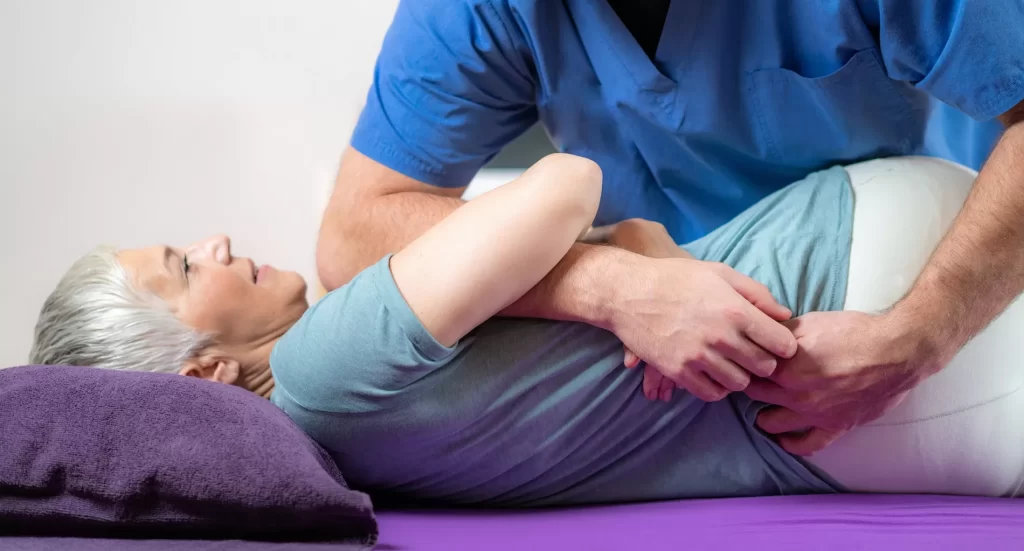

If you are reading this, chances are that back pain is no longer just a minor, passing inconvenience; it has likely become an unwelcome character in your daily life. Whether it is a dull, persistent ache that greets you every morning, a sharp spasm that halts your stride mid-step, or the radiating, electric burn of sciatica, back pain is one of the most pervasive health challenges of our time. It accounts for more lost workdays, missed family moments, and healthcare dollars spent than almost any other musculoskeletal condition globally. When standard conservative medical interventions fail to provide lasting relief, or when the prospect of relying on long-term prescription painkillers and facing invasive surgeries becomes unappealing, patients naturally seek alternative pathways to wellness.
Among these options, one question consistently stands out for those exploring holistic health: Does acupuncture help with back pain? The short, clinically validated answer is yes. However, the true power of this therapy lies in how it works and, more importantly, how it can be paired with modern chiropractic care to create a comprehensive, dual-action healing response. At Winter Park Chiropractic & Acupuncture Center, we do not believe in temporary band-aids or symptom-masking drugs. We provide structured, evidence-based care that addresses both the structural alignment of your spine and the neurological signalling of your nervous system to facilitate genuine, long-term recovery.
Deconstructing the Mechanism: How Acupuncture Works
To understand how acupuncture relieves back pain, we must look at it through two sophisticated lenses: modern neurobiology and classical physiology. Rather than viewing these perspectives as opposing forces, we treat them as complementary frameworks that explain the exact same biological reality.
1. The Modern Neurological Perspective: Rewiring the Pain Response
Western medicine no longer views acupuncture as a mysterious, esoteric ritual. Decades of MRI brain imaging, histochemical analysis, and rigorous clinical trials have mapped the precise neurological cascades triggered by sterile, micro-fine needles.
- The Gate Control Theory of Pain: Proposed by researchers Ronald Melzack and Patrick Wall, this theory suggests that the spinal cord contains a neurological “gate” that either blocks pain signals or allows them to pass to the brain. Acupuncture needles stimulate fast-conducting, non-pain sensory fibers ($A\beta$ fibers). This rapid stimulation effectively “closes the gate” in the dorsal horn of the spinal cord, blocking the slower, nagging pain signals ($C$ fibers) from reaching your conscious awareness.
- Endogenous Opioid Modulation: The insertion of acupuncture needles triggers the central nervous system to release potent neurotransmitters like endorphins, enkephalins, and dynorphins. These naturally occurring chemicals are the body’s self-generated pain relievers. They bind to opioid receptors in the brain and spinal cord, dramatically reducing the perception of pain without any of the addiction risks or side effects associated with pharmaceutical opiates.
- Local Vasodilation and Microcirculation: At the site of needle insertion, a localized axon reflex is initiated. This causes the release of calcitonin gene-related peptide (CGRP) and substance P, leading to local blood vessel dilation. The resulting influx of oxygenated, nutrient-rich blood to chronically ischemic (oxygen-deprived) back muscles accelerates cellular repair and flushes out built-up metabolic waste products like lactic acid.
- The Adenosine Effect: Research has demonstrated that needle manipulation stimulates the release of adenosine, a natural compound with potent anti-inflammatory and analgesic properties. This helps to quiet down hyperactive nerves and soothe localized tissue inflammation.
2. The Classical Physiological Perspective: Restoring the Flow of Qi
In Traditional Chinese Medicine (TCM), the human body is understood as an integrated ecosystem sustained by the flow of Qi (vital energy) and Xue (blood) through a network of pathways called meridians. When your back is healthy, these pathways are clear, dynamic, and fully functional. However, structural misalignment, physical trauma, repetitive strain, and chronic stress can cause this flow to stagnate. In TCM philosophy, pain is the direct language of stagnation:
“Tong ze bu tong, bu tong ze tong” (If there is free flow, there is no pain; if there is pain, there is no free flow).
By inserting needles into precise anatomical points along the Bladder and Gallbladder meridians the primary energetic pathways running down the back an acupuncturist clears the blockages, restores circulation, and reinstates the body’s natural homeostatic balance.
What the Clinical Research Demonstrates
For those who prefer hard, peer-reviewed data over ancient philosophy, the medical literature supporting acupuncture for spinal pain is exceptionally robust. In a monumental meta-analysis published in The Journal of Pain, researchers reviewed raw data from over 20,000 patients across dozens of randomized controlled trials. They concluded that acupuncture is not only statistically superior to standard medical care for chronic back pain, but its therapeutic benefits persist long-term, proving that the treatment is far more than a temporary placebo.
| Research Source / Organization | Key Findings & Recommendations |
| The American College of Physicians (ACP) | Formally recommends acupuncture as a first-line, non-pharmacologic treatment for both acute and chronic low back pain, prioritizing it over NSAIDs, muscle relaxants, and opioids. |
| The National Institutes of Health (NIH) | Classifies acupuncture as a safe and effective treatment option for chronic lower back pain, neck pain, and osteoarthritis. |
| The Journal of Pain (Meta-Analysis) | Confirmed that the pain-relieving effects of acupuncture are sustained over time, with over 90% of the pain-relief benefits maintained at 12-month follow-ups. |
The Perfect Marriage: Chiropractic and Acupuncture at Winter Park Chiropractic
While acupuncture is an extraordinarily effective modality for down-regulating pain and relaxing spastic muscles, it is only one piece of the puzzle. To achieve permanent, structural recovery from back pain, we must address the physical, bio-mechanical framework of the body. This is why Winter Park Chiropractic & Acupuncture Center offers a fully integrated, dual-modality approach.
[ Back Pain Resolution ]
┌────────────────────────┴────────────────────────┐
▼
[ Acupuncture: The Neurological Solution ] [ Chiropractic: The Structural Solution ]
• Relaxes hypertonic muscle groups • Realigns subluxated spinal joints
• Down-regulates central pain pathway • Restores natural joint biomechanics
• Flushes local tissue inflammation • Relieves mechanical nerve compression
Why One-Dimensional Treatments Often Fail
Consider what happens when you treat chronic back pain with only one approach:
- Acupuncture Only: You successfully relax the tight, protective muscle guarding around your lumbar spine and reduce your pain. However, if a structural subluxation (misalignment) in your pelvis or lower spine remains uncorrected, the uneven mechanical stress will inevitably cause those same muscles to tighten back up to protect the joint.
- Chiropractic Only: Your chiropractor delivers a precise adjustment to restore motion to a restricted joint. However, if the surrounding muscles are locked in a severe chronic spasm, they will exert a powerful, asymmetric pull on the newly aligned joint, dragging it back out of place within hours.
The Power of Integration
By combining these two masteries under one roof at Winter Park Chiropractic, we break this cycle of chronic pain:
- Muscle Preparation: Acupuncture is utilized first to release deep myofascial trigger points, reduce nerve irritation, and relax the supportive soft tissues.
- Gentle Alignment: With the muscles relaxed and the patient’s nervous system in a calm, parasympathetic state, the chiropractic adjustment becomes incredibly gentle, requiring far less force to achieve optimal spinal alignment.
- Sustained Results: Because the skeletal system is aligned and the muscular system is relaxed, your body holds adjustments longer, speeding up your overall recovery timeline.

What to Expect During Your Treatment Session
If you have never experienced acupuncture, the idea of needles can understandably cause some apprehension. However, the sensory experience of acupuncture is vastly different from what you might expect based on typical medical procedures. Medical syringes are thick, hollow, and designed to cut through tissue to inject or withdraw fluid. Acupuncture needles, by contrast, are solid, flexible, and as thin as a single strand of hair (typically between 0.16mm and 0.25mm in diameter). When inserted by the experienced clinical team at Winter Park Chiropractic, the sensation is typically described as a minor, fleeting pinch, followed by a deeply relaxing sensation often characterized as a dull ache, a feeling of warmth, or a pleasant tingling. Here is how we structure your journey back to pain-free living:
Specific Conditions We Successfully Treat
Back pain is not a singular diagnosis; it is a symptom of various underlying structural and functional issues. Our integrated approach at Winter Park Chiropractic is custom-tailored to treat several specific conditions:
1. Sciatica and Radiating Piriformis Syndrome
Sciatica occurs when the sciatic nerve is compressed, irritated, or inflamed, sending a searing, electric pain down the back of the leg. Acupuncture is highly effective at releasing the piriformis muscle and deep hip rotators that often entrap the nerve, while simultaneously reducing the localized inflammatory response around the lumbar nerve roots.
2. Herniated and Bulging Discs
A bulging disc can press directly against spinal nerves, causing severe localized and radiating pain. By improving microcirculation around the damaged disc, acupuncture delivers the nutrient-dense blood supply needed to accelerate disc healing, while chiropractic care relieves the mechanical pressure on the disc itself.
3. Myofascial Pain Syndrome and Chronic Spasms
Sometimes, the primary source of back pain is not the joints, but the thick, fibrous bands of muscle tissue. Acupuncture needles can target “trigger points” directly, causing them to twitch and instantly release, providing immediate relief from stubborn, chronic muscle knots.
Frequently Asked Questions
Q.1 Is acupuncture safe?
Yes. When performed by a licensed, certified professional, acupuncture has an exemplary safety record. At Winter Park Chiropractic & Acupuncture Center, we strictly use sterile, single-use, disposable needles, eliminating any risk of cross-contamination.
Q.2 How quickly will I feel results?
While some patients experience a dramatic reduction in pain immediately after their first session, acupuncture typically has a cumulative effect. Most patients experience significant, lasting improvements within 4 to 6 sessions, depending on whether the condition is acute or chronic.
Q.3 Can I receive both chiropractic and acupuncture on the same day?
Absolutely. In fact, receiving them in tandem is our preferred clinical protocol. Using acupuncture to relax hypertonic (permanently tense) muscles immediately before a chiropractic adjustment allows for a much smoother, more comfortable, and longer-lasting alignment.
Experience a Life Unhindered by Back Pain in Winter Park, Florida
At Winter Park Chiropractic, we believe you shouldn’t have to choose between modern structural medicine and time-tested neurological therapies. By combining chiropractic care with clinical acupuncture, we help our patients find lasting, drug-free relief from back pain. If you are ready to stop managing your symptoms and start correcting the root cause of your pain, we are here to guide you every step of the way. Visit our website to schedule your initial consultation and discover what it feels like to move freely again.